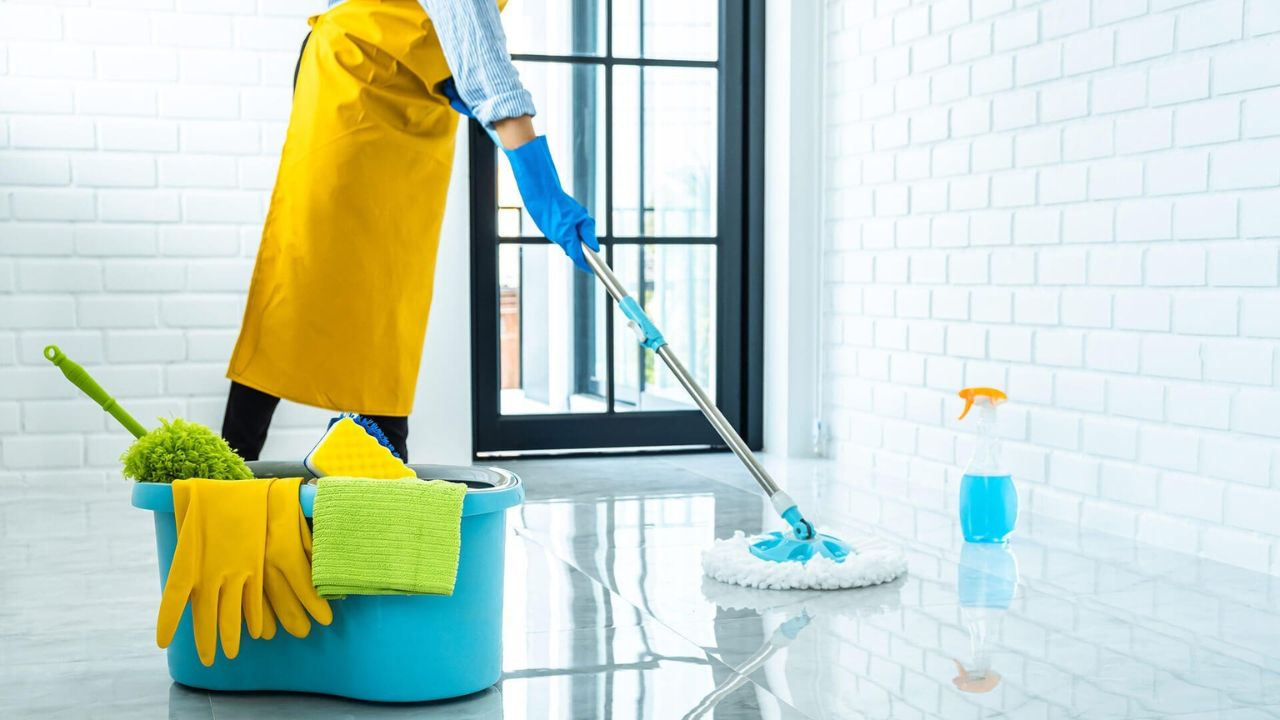
Maintaining clean and hygienic environments in commercial settings is more than just a matter of appearance; it is a critical component of health, safety, and productivity. Commercial spaces, including offices, retail establishments, hospitals, schools, and industrial facilities, see significant foot traffic daily. This constant activity increases the potential for dust, dirt, germs, and allergens to accumulate, making professional cleaning services indispensable says San Antonio Property Management. A commercial cleaner plays a central role in creating spaces that are not only visually appealing but also safe and conducive to work.
Understanding the Role of a Commercial Cleaner
A commercial cleaner is a professional responsible for cleaning, sanitizing, and maintaining commercial spaces. Unlike residential cleaning, commercial cleaning requires specialized knowledge, techniques, and equipment to handle larger areas and more diverse surfaces. The objective is to provide a clean and safe environment for employees, customers, and visitors while ensuring compliance with health and safety regulations.
The responsibilities of a commercial cleaner go beyond simple dusting or vacuuming. They may include deep cleaning carpets, disinfecting high-touch areas, sanitizing restrooms, polishing floors, cleaning windows, and managing waste. Many commercial cleaners are trained to use eco-friendly and industrial-grade cleaning products, which are necessary for thorough cleaning without compromising safety.
Benefits of Hiring a Commercial Cleaner
Hiring a professional commercial cleaner offers multiple advantages, both immediate and long-term. One of the most apparent benefits is maintaining a healthy environment. High-traffic areas in offices, schools, or healthcare facilities can harbor bacteria and viruses. Regular cleaning and disinfecting help reduce the risk of illness, protecting employees and clients alike.
A clean workplace also enhances productivity and morale. Employees tend to perform better and feel more comfortable in a tidy, organized environment. First impressions matter, especially in customer-facing businesses. A clean reception, showroom, or retail space communicates professionalism and attention to detail, which can positively influence client perceptions and customer trust.
Cost efficiency is another factor. While some may consider in-house cleaning sufficient, outsourcing to a professional commercial cleaner can be more economical in the long run. Professionals bring specialized equipment and expertise, reducing the need for frequent replacements of office furnishings and flooring due to damage from improper cleaning.
Areas of Specialization in Commercial Cleaning
Commercial cleaning services can vary significantly depending on the type of business or facility. Some common areas of specialization include:
- Office Cleaning: Focuses on maintaining desks, meeting rooms, restrooms, break areas, and high-touch surfaces. This type of cleaning often occurs during off-hours to minimize disruption to employees.
- Industrial Cleaning: Involves cleaning factories, warehouses, and manufacturing facilities. This includes removing industrial debris, dust, and contaminants while ensuring compliance with safety regulations.
- Healthcare Cleaning: Requires strict adherence to hygiene standards to prevent infection. This includes sanitizing patient rooms, operating areas, and high-contact surfaces.
- Retail and Hospitality Cleaning: Ensures a positive customer experience by maintaining clean floors, displays, restrooms, and common areas.
- Post-Construction Cleaning: Cleans commercial spaces after renovations or construction work, removing dust, debris, and leftover materials to prepare the facility for use.
Tools and Techniques Used by Commercial Cleaners
A commercial cleaner relies on specialized tools and techniques that differ from typical residential cleaning. Equipment may include industrial vacuum cleaners, floor scrubbers, carpet extractors, and pressure washers. High-grade cleaning agents and disinfectants are selected to meet the specific demands of each environment, ensuring safety and effectiveness.
Techniques also matter. For instance, the “top-to-bottom, left-to-right” approach ensures that dust and dirt do not settle on previously cleaned areas. High-touch areas, such as door handles, switches, and elevator buttons, require targeted disinfection to prevent the spread of germs. Professionals may also employ color-coded cloths and mops to prevent cross-contamination between areas such as restrooms and kitchens.
Scheduling and Frequency
Commercial cleaning schedules can vary based on the type of business and level of activity. Many companies opt for daily cleaning for high-traffic areas, weekly deep cleaning for carpets and floors, and periodic sanitization for sensitive areas. Flexibility is key; some commercial cleaners offer 24/7 services to accommodate businesses that operate outside regular office hours.
Regular maintenance not only keeps the space clean but also prolongs the life of flooring, fixtures, and equipment. Preventative cleaning measures reduce the likelihood of costly repairs or replacements caused by neglect.
Environmental Considerations in Commercial Cleaning
Sustainability and environmental responsibility have become increasingly important in commercial cleaning. Many modern commercial cleaners use eco-friendly products that minimize chemical exposure, reduce water usage, and promote recycling. Green cleaning practices benefit not only the environment but also the health of employees and visitors by limiting exposure to harsh chemicals and allergens.
Incorporating sustainable practices can also improve a company’s reputation. Clients and employees alike value businesses that demonstrate a commitment to environmental responsibility, making eco-conscious cleaning a strategic choice as well as a practical one.
Challenges in Commercial Cleaning
While hiring a commercial cleaner offers numerous benefits, there are challenges that must be considered. Different facilities have unique cleaning requirements, meaning a one-size-fits-all approach is rarely effective. Commercial cleaners must adapt their strategies to meet the specific needs of each client.
Time constraints can also be an issue, especially for businesses that operate 24/7 or during extended hours. Cleaning must be thorough but efficient to avoid disrupting employees or customers. Additionally, maintaining consistency and quality across multiple locations requires trained personnel, supervision, and quality control measures.
Health and safety are another critical consideration. Commercial cleaners often work with chemicals, machinery, and potentially hazardous environments. Proper training, safety equipment, and adherence to regulatory standards are essential to prevent accidents and ensure compliance.
The Future of Commercial Cleaning
Advancements in technology are transforming the commercial cleaning industry. Robotics and automated cleaning machines are increasingly used for large floor areas, reducing labor intensity while improving efficiency. Electrostatic sprayers and UV-C disinfection systems provide more effective germ control, particularly in healthcare and high-traffic areas.
Data-driven approaches are also gaining traction. Smart sensors can monitor cleanliness levels, track foot traffic, and optimize cleaning schedules based on actual usage. These innovations not only enhance the effectiveness of commercial cleaning but also help businesses demonstrate compliance with hygiene standards.
Despite technological advancements, the human touch remains critical. Attention to detail, responsiveness to client needs, and the ability to manage complex cleaning tasks ensure that commercial cleaning remains a professional service in demand.
Conclusion: The Indispensable Value of a Commercial Cleaner
Commercial cleaners play an essential role in maintaining healthy, safe, and productive environments. Their expertise ensures that commercial spaces not only look clean but are sanitized, well-maintained, and welcoming to employees, clients, and visitors alike. By using advanced tools, techniques, and eco-friendly practices, commercial cleaners help businesses operate efficiently while protecting health and enhancing overall workplace satisfaction.
The role of a commercial cleaner extends beyond surface cleaning; it is about safeguarding the integrity of spaces, improving comfort and aesthetics, and contributing to long-term operational efficiency. In today’s competitive and health-conscious environment, investing in professional commercial cleaning is a strategic decision that pays dividends in employee productivity, customer perception, and overall organizational success. The thoughtful and consistent commercial cleaner use is therefore not just a service it is a cornerstone of professional excellence.