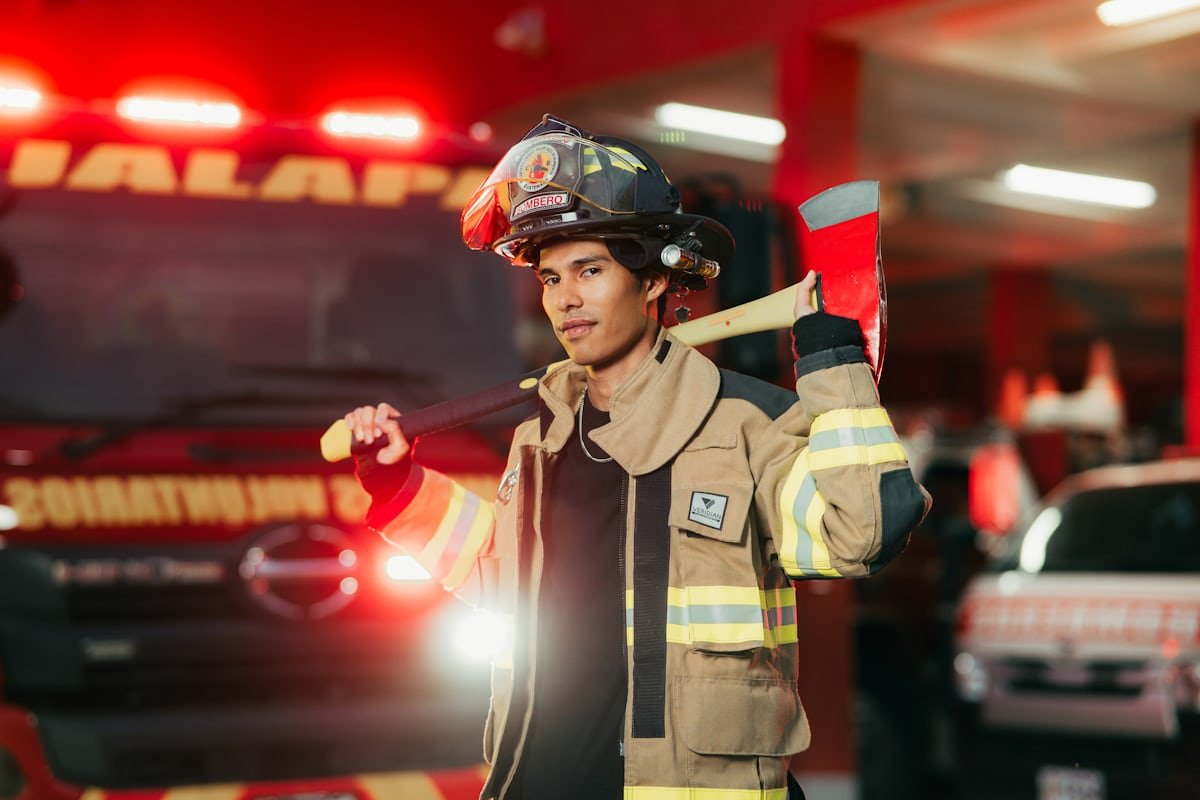
Emergencies rarely come with a warning. A sudden fall at home, a child choking at school, or a co-worker collapsing at the office can turn an ordinary day into a life-threatening situation. In these critical moments, the presence of someone trained in emergency response can make the difference between panic and lifesaving action. Learning emergency response skills is not just about certification. It is about being prepared to protect lives when every second matters.
Confidence When Seconds Matter
One of the greatest benefits of emergency response training is confidence. Without training, people often hesitate, unsure of what to do or afraid of causing harm. Structured programs such as first aid courses Bundaberg teach individuals how to assess situations quickly, provide immediate care, and remain calm under pressure.
This confidence extends beyond emergencies. People who complete training often report feeling more secure in daily life, knowing they can respond effectively if something goes wrong. Whether at home, work, or in public spaces, this readiness brings peace of mind.
Turning Bystanders into First Responders
In many emergencies, professional medical help may take several minutes to arrive. Those first minutes are critical. Emergency response training empowers ordinary people to become immediate responders, stabilising a situation until professionals arrive.
Programs offering CPR and first aid courses Bundaberg teach essential techniques such as cardiopulmonary resuscitation, bleeding control, and recovery positioning. These skills help maintain breathing and circulation, prevent further injury, and improve survival outcomes.
The ability to step in during these moments can transform a bystander into a lifesaver.
Workplace Safety and Responsibility
Emergency response skills are particularly valuable in workplaces. Offices, construction sites, retail environments, and industrial settings all carry potential risks. Having trained personnel ensures injuries and medical incidents can be managed promptly and effectively.
Employers benefit from teams trained through first aid training Bundaberg programs because prepared staff reduce workplace risks, improve compliance with safety regulations, and promote a culture of care and responsibility.
For employees, these skills also foster teamwork and trust. Knowing that colleagues can respond in an emergency creates a safer and more supportive environment.
Protecting Family and Community
Emergency response skills extend far beyond professional settings. Parents, caregivers, teachers, and community members play vital roles in protecting vulnerable individuals. From treating burns and cuts to responding to allergic reactions or choking incidents, trained individuals can provide immediate care that prevents complications.
Communities become stronger and more resilient when more people possess emergency response skills. During natural disasters, accidents, or public emergencies, trained individuals help bridge the gap until emergency services arrive.
Preparedness for Everyday Emergencies
Many people assume emergencies are rare. In reality, everyday incidents such as falls, sports injuries, burns, and sudden illnesses are common. Emergency response training prepares individuals to manage these situations calmly and effectively.
Participants learn how to assess danger, ensure scene safety, provide basic treatment, and seek professional medical help when necessary. This structured approach prevents panic and promotes clear thinking during stressful situations.
A Skill That Lasts a Lifetime
Learning emergency response skills is an investment that continues to deliver value long after the training session ends. These skills remain relevant across different environments, life stages, and professions. From caring for children to assisting elderly family members or helping strangers in public, trained individuals carry knowledge that saves lives.
Beyond practical benefits, training fosters compassion, responsibility, and community awareness. It encourages individuals to look out for one another and take action when help is needed most.
Conclusion
The real-world value of learning emergency response skills lies in preparedness, confidence, and the ability to act decisively during critical moments. From homes and workplaces to public spaces and community events, trained individuals play an essential role in protecting lives. By gaining these skills, people move from helpless observers to capable responders, ensuring that when emergencies arise, help is already present.