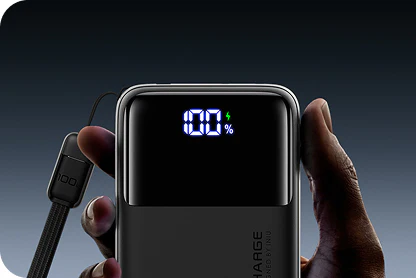
In the fast-paced world of modern technology, the usb c power bank has shifted from a nice-to-have accessory to an everyday essential. Just a few years ago, staying charged on the go meant dealing with a messy mix of micro-USB cables, Lightning cords, and bulky proprietary laptop chargers. Today, that landscape looks very different. With USB-C now widely adopted across iPhones, Android phones, MacBooks, tablets, and handheld gaming devices like the Steam Deck, people expect one portable charger to support multiple devices quickly and conveniently. If you are still relying on an old USB-A brick, you are not just carrying outdated gear—you are also limiting your charging speed and flexibility throughout the day.
As USB-C has made charging more universal, the next question is no longer just what port your power bank uses, but how much power it can actually deliver and store. That is where capacity becomes especially important. For many travelers, commuters, and remote workers, a 20000 mAh power bank has become the practical sweet spot. It offers enough capacity to recharge a phone multiple times or provide meaningful backup power for larger devices, while still remaining portable enough to carry in a backpack, work bag, or laptop sleeve without too much extra weight.
The Shift Toward a Universal Charging Standard
The move toward USB-C isn’t just about a new plug shape; it’s about a global push for convenience and sustainability. Gone are the days of carrying a “tangle of shame” in your backpack. Most modern electronics now rely on the Power Delivery (PD) protocol, which allows for bi-directional power flow. This means a single port can both receive a charge and provide one.
For the average consumer, this translates to “one cable to rule them all.” Whether you are topping off your wireless earbuds or keeping your workstation running at a coffee shop, the versatility of a modern portable charger is unmatched. Investing in this ecosystem now ensures that your gear remains compatible with every new gadget hitting the market over the next few years.
Fast Charging and Power Delivery Explained
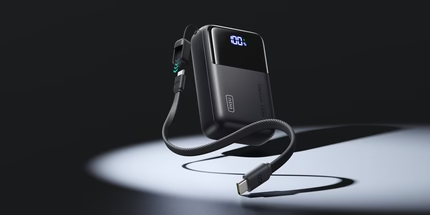
The real magic of modern charging lies in speed and intelligence. Traditional USB-A ports are often capped at a measly 12W, which is barely enough to keep a modern smartphone’s battery percentage from dropping while in use. In contrast, USB-C PD can scale up to 100W or even 140W in high-end models.
This intelligence is managed through a digital “handshake” between the charger and the device. The power bank asks the device, “How much power can you safely handle?” and adjusts its output accordingly. This prevents the overheating and battery degradation common with cheap, uncertified chargers. When you switch to a PD-enabled portable battery, you aren’t just getting a charge; you’re getting a smart, optimized energy transfer that can take a dead phone to 50% in under 30 minutes.
Why Your Devices Crave High-Output Power
We are no longer just charging phones. Our portable power needs have expanded to include high-drain devices like tablets and laptops. This shift has forced the industry to innovate, leading to the development of sophisticated hardware like the INIU Cougar P63 100W High Capacity Laptop Power Bank. Unlike standard mobile chargers that might struggle to keep a laptop from losing percentage while in use, these high-output units are engineered to provide a consistent 100W flow.
This level of performance means you can actually charge a power-hungry MacBook Pro or a Windows workstation at the same speed you would get from a traditional wall outlet. For professionals who find themselves working from airport terminals or remote campsites, having a dedicated laptop-grade power source effectively removes the anxiety of “finding a plug” before a big meeting.
Key Factors to Consider Before Buying
Before you hit “buy” on the first charger you see, there are three critical factors to evaluate to ensure you’re getting the best value for your money:
- Wattage vs. Capacity: Don’t confuse the two. Capacity tells you how long the battery lasts, while Wattage (W) tells you how fast it can charge. If you want to charge a laptop, you generally need at least 65W. For just a phone, 20W is plenty.
- Port Layout: While USB-C is the future, having at least one USB-A port is still helpful for legacy devices like older Kindle e-readers or specific fitness trackers.
- Airline Compliance: Most airlines and the TSA have a limit of 100Wh (roughly 27,000mAh) for lithium-ion batteries in carry-on luggage. Sticking to the standard 20,000mAh range keeps you safely within these regulations while maximizing your power.
Modern Features That Add Real Value
The latest generation of portable chargers has moved beyond being “dumb” batteries. We are seeing a surge in “Pass-Through Charging,” which allows you to plug the power bank into the wall and your phone into the power bank, charging both simultaneously overnight. This effectively turns your portable battery into a multi-port wall charger for travel.
Additionally, many premium models now include “Low-Current Mode.” This is specifically designed for small gadgets like Bluetooth headphones or smartwatches that draw so little power they often “trick” standard power banks into thinking nothing is connected, causing them to shut off. With a dedicated low-current toggle, you can ensure your smallest accessories get a full charge without interruption.
Conclusion
So, is a USB-C power bank worth the investment? The answer is a resounding yes.
While you might pay a slight premium compared to the bargain-bin bricks of the past, the benefits far outweigh the costs. You are paying for the freedom to work from anywhere, the security of knowing your phone won’t die during a long travel day, and the longevity of a device that won’t be obsolete by next year. In a world where our lives are tethered to our screens and our work is increasingly mobile, the peace of mind provided by a high-speed, high-capacity portable charger is perhaps the best tech investment you can make this year.