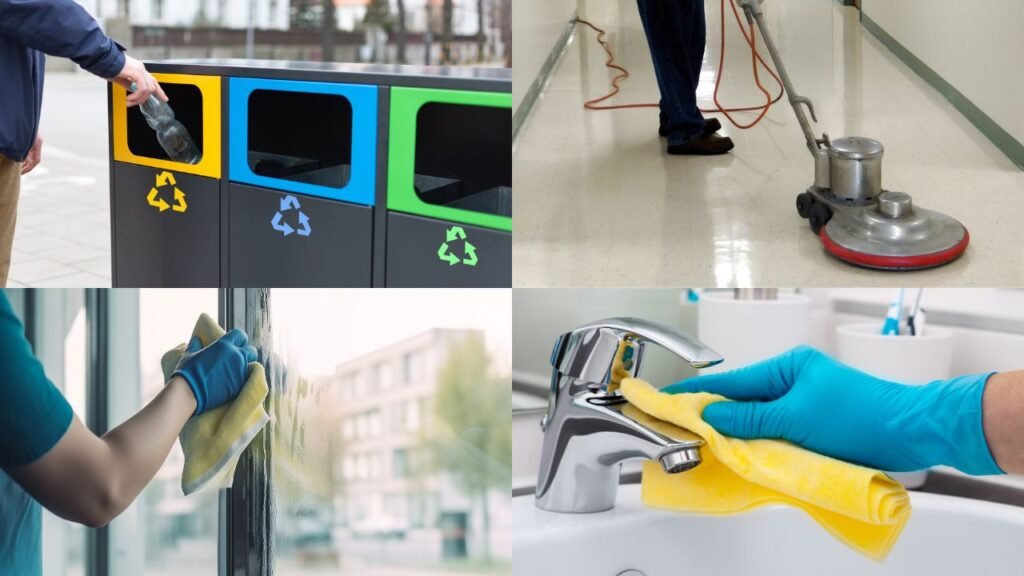
Commercial spaces stay presentable and healthy when cleaning is treated as an organized operation, not an occasional task. Offices, medical suites, retail stores, warehouses, and shared buildings all carry different foot traffic patterns, surfaces, and expectations, yet each depends on consistency. A commercial cleaning team has to balance speed with detail, follow building rules, protect sensitive areas, and deliver results that look the same every visit. Behind the scenes, that requires scheduling discipline, clear processes, and careful communication with clients. Understanding how commercial cleaning teams work helps property managers choose services that fit their buildings and helps businesses maintain a workplace that feels cared for every day.
People, process, and consistent results
- Training, Roles, and Accountability on Every Shift
A reliable commercial cleaning team starts with training that translates into repeatable actions. New hires learn how to handle chemicals safely, reduce cross-contamination, and clean various surfaces without damaging finishes. They also learn the order of operations that makes a shift efficient, such as starting with high-touch areas, working from cleaner zones to dirtier zones, and finishing with floors once dust and debris have been removed. Clear roles create accountability, so each person knows which restrooms, offices, break areas, or entrances they are responsible for during a shift. That ownership helps prevent gaps that customers notice immediately, like empty soap dispensers, smudged glass, or trash left behind. When teams rotate sites, checklists and consistent training help maintain quality, ensuring the building doesn’t receive a different outcome just because the staffing changed.
- Site Walkthroughs and Cleaning Plans Built for Reality
Commercial cleaning works when the plan matches how a building is actually used. A good team begins by learning about traffic flow, peak usage times, and areas that need extra attention, such as lobbies, shared conference rooms, and restrooms near public entrances. They review client preferences, security requirements, and any restrictions around noise, access, or sensitive equipment. In some markets, clients search specifically for an experienced commercial cleaning team in Boise because they want staff who can adapt to real building conditions without constant supervision. A strong plan also addresses frequency, deciding what happens nightly versus weekly, and how deep cleaning is scheduled without interrupting normal business operations. When the plan is realistic, the team can focus on execution instead of rushing through tasks, and the building stays consistently presentable rather than cycling between “clean” and “neglected.”
- Tools, Chemicals, and Surface-Safe Methods
Professional cleaning depends on using the right tools for the job and applying chemicals in a way that protects surfaces and occupants. A commercial cleaning team typically uses microfiber systems to reduce streaking and improve soil capture, while selecting vacuums and floor equipment that match the building’s flooring type. Different surfaces require different approaches, since glass, stainless steel, stone, vinyl, and wood finishes respond differently to cleaners. Teams also pay attention to dwell time, dilution, and contact requirements for disinfectants where appropriate, since improper use can lead to poor results or residue buildup. Tool care matters too, because dirty mops and worn pads can spread soil rather than remove it. When equipment is maintained, and products are used correctly, cleaning becomes both more effective and more efficient, reducing rework and preventing damage that can cost property owners far more than routine service.
- Quality Control and Consistency Across Multiple Locations
Consistency is often the biggest challenge in commercial cleaning, especially when a provider covers multiple sites or large buildings with many rooms. Strong teams rely on quality control systems such as supervisor walkthroughs, photo documentation where appropriate, and structured check-ins with building managers. They look for “tell” areas that reveal whether a space was cleaned well, such as corners, baseboards, faucet fixtures, and high-touch points like door handles and elevator buttons. A good quality process focuses on preventing small misses from becoming a pattern that clients notice. Consistency also depends on restocking routines, making sure paper products, soap, and liners are replenished without delay. When quality control is built into the daily workflow, clients feel the difference because the building looks reliably maintained rather than randomly spotless one day and overlooked the next.
- Safety, Security, and Professional Conduct in Shared Buildings
Commercial cleaners often work in environments that require trust, from offices with confidential documents to medical spaces with strict hygiene expectations. Teams follow site access rules, lockup procedures, and clear boundaries about where cleaning is allowed. They also prioritize safety by posting warning signs for wet floors, storing chemicals properly, and wearing appropriate protective gear. Professional conduct matters because cleaners operate around employees, tenants, and sometimes customers, and the impression they leave influences how the cleaning service is perceived. A well-managed team respects schedules, keeps noise to a minimum, and resolves issues quietly through supervisors rather than creating disruption. This level of professionalism helps clients feel comfortable with after-hours access and reduces risk in buildings where security and liability are serious considerations.
- Communication That Prevents Problems Before They Grow
Many cleaning issues come from misalignment rather than poor effort, such as unclear expectations, changes in building use, or a client assuming a task is included when it is not. Strong commercial cleaning teams keep communication active through regular touchpoints, clear scope definitions, and quick reporting when something unusual is found. That could include a leaking sink, a broken dispenser, or a spill that needs attention beyond routine cleaning. When teams report these issues early, building managers can address problems before they create odors, stains, or safety hazards. Communication also helps adjust frequency during seasonal changes or special events, ensuring staffing and supplies match new demands. A cleaning team that communicates well often feels more dependable, because clients are not left guessing whether issues were seen or ignored.
- A Simple Standard That Holds Up
A commercial cleaning team succeeds when every visit looks like the same level of care. That consistency comes from training, realistic planning, correct products, quality checks, and clear communication. When those elements are present, results are not dependent on one person’s motivation; they are built into the system. The building stays cleaner, complaints decrease, and the service becomes easier to manage for both the client and the cleaning crew.
Reliable Cleaning Is an Organized Operation
A commercial cleaning team delivers value by turning cleaning into a consistent process that supports health, appearance, and daily operations. Training and accountability keep work structured, while site-specific plans ensure cleaning aligns with the real building needs. Proper tools and surface-safe methods improve results without causing damage, and quality control maintains consistent standards across shifts and locations. Safety practices and professional conduct protect clients and occupants, while strong communication prevents small problems from escalating. When all of these pieces work together, commercial cleaning becomes less of a reactive service and more of a dependable part of how a building stays functional and welcoming year-round.