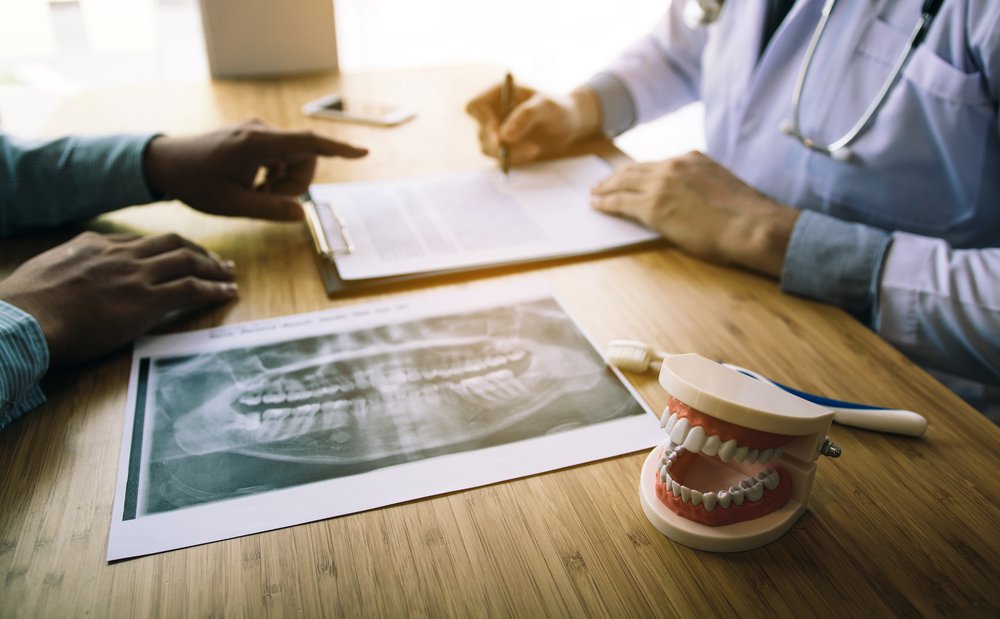
For decades, traditional dentures were the standard solution for missing teeth. However, many patients found them lacking in stability, often experiencing “slippage” while speaking or difficulty eating certain foods. The evolution of prosthetic dentistry has introduced a superior alternative: the overdenture. By combining the affordability of dentures with the structural integrity of dental implants, overdentures are revolutionizing how Australians approach tooth loss.
The Engineering of a Superior Fit
The primary difference between a traditional denture and an overdenture lies in the foundation. While conventional dentures rest solely on the gum tissue, held in place by suction or adhesives, overdentures are secured by remaining natural teeth or dental implants. These implants act as anchors, allowing the prosthetic to “snap” into place.
This mechanical connection prevents the appliance from shifting or tilting. For the wearer, this translates to a massive leap in functional efficiency. You no longer have to worry about the lower denture lifting while you chew or the upper plate dropping during a laugh. This structural stability is the cornerstone of why overdentures have become the gold standard for full-arch restoration.
Halting Bone Loss and Preserving Facial Structure
One of the most significant, yet often overlooked, benefits of overdentures is their impact on jawbone health. When teeth are lost, the alveolar bone that once supported them begins to resorb, or shrink away, because it is no longer being stimulated by chewing forces. Traditional dentures do nothing to stop this process; in fact, the pressure they exert on the gums can sometimes accelerate bone loss.
Because overdentures are often supported by implants, they provide the necessary stimulation to the jawbone. The titanium posts mimic the function of natural tooth roots, signaling the body to maintain bone density. By preserving the bone, overdentures help maintain the natural shape of the face, preventing the “sunken” appearance often associated with long-term denture wear.
Enhanced Dietary Freedom and Comfort
Nutrition is frequently compromised when individuals lose their teeth. Many traditional denture wearers find themselves restricted to soft foods because they cannot generate enough biting force. Overdentures significantly increase “bite force,” allowing patients to return to a diverse and healthy diet.
Whether it is biting into a crisp apple or enjoying a steak, the security of the prosthetic ensures that the force is transferred to the implants rather than the sensitive gum tissue. This eliminates the painful sore spots caused by friction. With comfort and confidence restored through overdentures, patients often report a dramatic improvement in their overall quality of life and social interactions.
Speech Clarity and Social Confidence
The fear of a denture slipping during a conversation is a major source of anxiety for many. This often leads to a muffled speech pattern or a tendency to cover the mouth while talking. Overdentures provide the peace of mind that the prosthetic is locked firmly in place.
Because the appliance is stable, the tongue can move naturally against the palate or the teeth to articulate sounds clearly. This allows for seamless communication in professional and social settings. The psychological impact of knowing your smile is secure cannot be overstated; it allows individuals to engage with the world without the constant distraction of dental instability.
A Long-Term Investment in Oral Health
While the initial cost of overdentures is higher than that of traditional prosthetics due to the surgical placement of implants, the long-term value is undeniable. They are durable, require fewer adjustments over time, and protect the underlying bone structure. Furthermore, they are easier to maintain than fixed bridges, as they can be removed for thorough cleaning while still offering the stability of a fixed solution.
Modern overdentures are crafted from high-quality acrylics and ceramics that mimic the translucency and shade of natural teeth. This ensures that the final result looks as good as it functions. The transition to overdentures is not just about replacing teeth; it is about reclaiming the ability to live life without the limitations of a loose prosthetic.
Ultimately, the goal of modern dentistry is to provide solutions that look natural and feel like a part of the body. Overdentures achieve this by bridging the gap between removable and fixed options, offering a life-changing alternative for those seeking a permanent-feeling smile. By prioritising dental health at every stage of life—and understanding the benefits of early childhood dental care to set the foundation for a lifetime of wellness—patients can make informed decisions about their long-term prosthetic needs.