
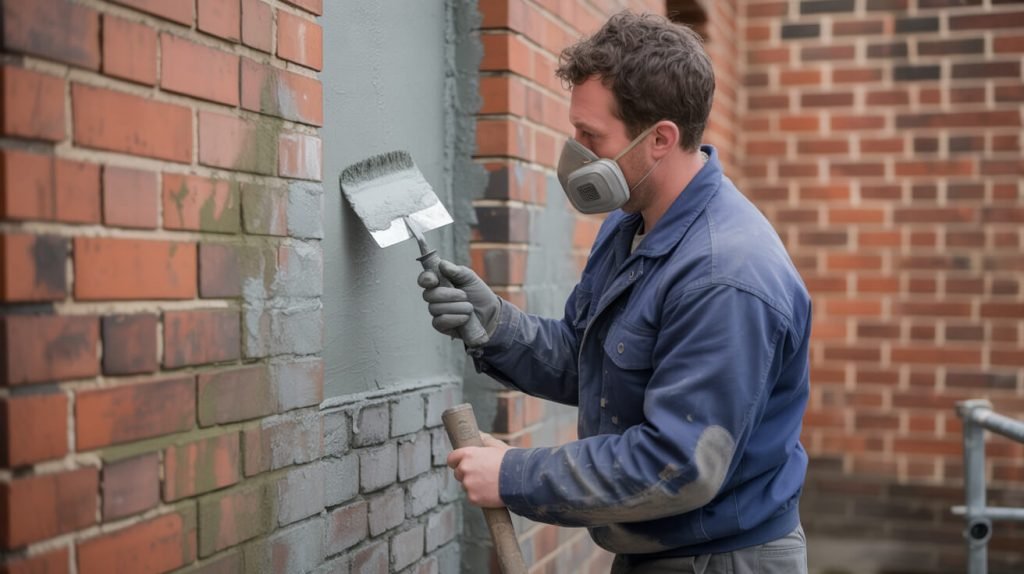
The virtues of brick homes include longevity, and classical, low-maintenance, and aesthetically pleasing features. As time progresses, customers feel the surprises of the deterioration of the brick surfaces, and the patches appear. From the start of a customer’s purchase, the seasonal color change, streaks, and commercialization disrupt the even appearance of the brick walls and ultimately change the customers’ experience of walking into the homes and seeing the faces of the homes.
In regard to the problem presenting itself in the brick, explanations include the surrounding environment where the brick is and the natural processes that occur over time. Most customers inquiring about the best pressure washing in Hampton for homes service attribute the discoloration on masonry to dirt, moisture, and to the structures built naturally. A more thorough knowledge of the specific reasons that brick looks a certain way and the reasons for that enables customers to better care for the specific brick and to better care for the appearance of the brick and the house surfaces.
The Physical and Chemical Properties of Brick and How to Relate to the Nature of Things
The forming of inexplicable structures is possible when a material is tough and incredibly enduring. porosity. The material forming inexplicable structural forms is porous. So, dust, moisture, and even the microscopic, anything surrounding the environment is captured in the microstructure of the brick, where, ultimately, they assist in the formation of a flexible and dynamic environment.
Different home areas rarely show consistent wearing because of differences is sun, shade and rain exposure. Some areas stay clean and dry. Other areas stay dirty and absorb moisture. Disparity in the exposure to the elements is a leading factor in the color changes seen in brick homes.
Where walls have no exposure to the rain, like under eaves and awnings, the walls may stay lighter. The exposed walls collect debris and rain which causes staining and that effect is clearly seen in darker walls.
The Effect of Moisture on Brick
Moisture is a key factor to consider when evaluating the outside appearance of bricks. Water on bricks causes the appearance of residue, dirt and minerals to a dried puddle that contains organic matter.
North facing walls and shaded corners of a home contain landscaping that tends to stay damp after rain storms creating an environment for mold growth and moisture retention which is the enemy of color changes in walls.
The repeated cycles of wet weather and dry weather can gradually darken some areas of brick walls. It is more pronounced when some sections dry faster than others. The result is a weathered pattern from the outside view of the house.
Tree Cover and Shade Patterns
The pattern of discoloration on the brick walls of the houses surrounded by trees is very distinctive. Shade from trees is a positive feature, but they also create an environment that traps moisture and makes debris adhere to the walls.
Smaller branches and leaves, along with other organic material, fall onto the bricks. When rain runs down, it washes organic debris from the leaves, which create stains on the bricks.
The areas that are shaded stay cooler, wetter, and therefore, they remain moist longer. This prolonged moisture exposure fosters the growth of algae, moss, and mildew, which makes the areas appear to be dark and discolored. This is especially true in shaded areas around the bottom of the walls.
Over time, the pattern where the sunlight hits is different the pattern where the sunlight does not hit the wall. It gives the entire house a patchy look.
Pollution and Airborne Debris
In cities and towns, air pollution contributes to changes in color on the surface of bricks. Fines from car exhaust, factory emissions, and dust settle on surfaces.
Rain washes these pollutants off the surface and as the water evaporates, pollutants become trapped in the porous surface of the bricks. Walls exposed to greater air flow and water flow may have increased pollutants.
Pollution stains brick walls appear as gray and black streaks in the direction of the water flow. These streaks become more prominent over the years if the surface is not altered in some way.
Accumulated Dirt at the Edge of the Roof
The rooftops and gutters also affect how fast brick walls become discolored. When water flows off the roof, it carries small amounts of dust, shingle fragments, and organic debris.
Overflowing gutters and poor drainage cause the water to blacken pieces of the walls and leaves minutes that build up over time.
The vertical lines typically appear under roof edges and around downspouts. During a rainfall event, some areas may experience higher levels of bioscience and may concentrate on a specific area rather than spreading consistently along the wall.
Biological Growth on Brick Surfaces
Moss, mildew, and algae all contribute to the patchy exterior of the bricks. These biological elements thrive in damp, dark, shaded, or moisture-trapping areas of the home, as further detailed below.
The algae-stained walls that are shaded receive the maximum shading. Moss can form along the joints of the mortar or the bas of a wall where moisture is trapped. Moreover, mildew may form on the wall as a patchy surface that starts gray and darkens over time.
These biological elements are often harmless to the wall but can change the exterior a lot, and if the patches remain untreated, they can greatly spread and change to cover a large area of the wall.
Controlling Factors of the Clean Sections
The dark and clean areas of the home create a strong contrast with the clean and bright areas of the home which may remain bright for years.
Since walls get direct sun after a rainfall they dry quickly, so the growth of algae or mildew is less likely. Also, surfaces that are shielded from the rain by a wide overhanging roof or architectural features are less likely to get rain and the debris that comes with it.
Different environmental factors impact the exterior of the home differently, which is especially true with the amount of dirt and grime that collects in different areas. This is especially true of areas that are dirtier than others, leaving a patchy and blotchy appearance.
Maintaining Brick Surfaces Over Time
It is normal for a discoloration to take place. However, homeowners can take many different steps to prevent discoloration from occurring. Consistent inspections can stop unwanted buildup or biological growth before the issue spreads.
Gutters that are free of debris are a preventive measure that will help to improve the situation. Doing so helps to direct the rainwater away from the home and to prevent it from pouring down the walls. This can be accomplished by trimming proximal tree branches.
Cleaning the exterior will prevent the dirt from accumulating. Gentle washing designed with the brick in mind will help to achieve a more consistent color of the brick. This is because it will be more successful than the surface cleaning that it is designed to replace.
The Importance of Pressure Washing
As part of their professional brick cleaning services, some homeowners utilize pressure washing services to remove dirt, algae, and pollution lodged in the brick structure of their homes. The cleaning performed by pressure washing services is used to help remove the pollution and toxins, but it also has other cleaning benefits.
When used on the exterior of the structure, and if used correctly, pressure washing services can provide professional cleaning services without fear of cleaning the brick structure. Washing professionals work within the structure to help use the correct amount of wash pressure depending on the structure needs of the washing.
Because the washing services are usually performed on other professional cleaning services, the homeowner is able to remove the oldest cleaning services and allow the outside wall to be cleaned.
Maintenance of the Appearance of the Brick Home
Over time, the brick parts of homes and structures will develop different looks. Whether it is due to pollution, dirt, or other toxins from the air or from nature, the brick structure will begin to develop a different appearance.
Moisture, debris, or nature can lead to a maintenance of the appearance of the brick. Homeowners are urged to assist in or remove the maintenance of appearance to lead to a cleaning of the structure.
With proper attention and care, brick exteriors can continue to look attractive and withstand all the changes the elements can throw at them for decades.
