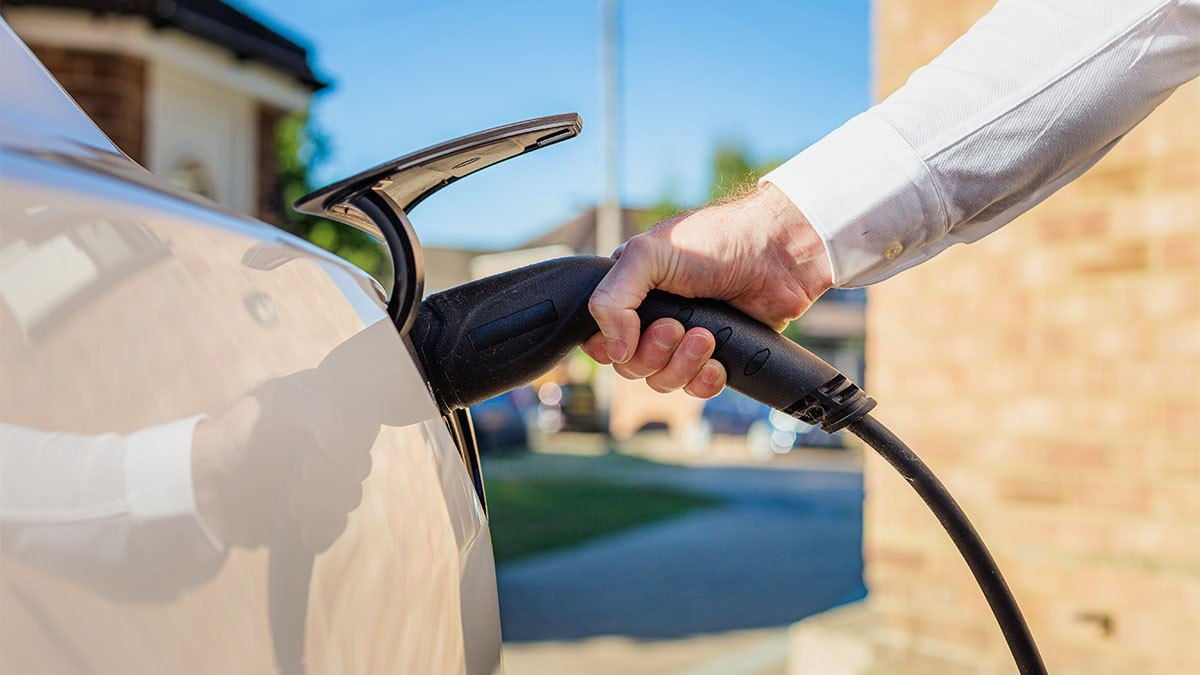
The adoption of electric vehicles (EVs) is increasing rapidly worldwide as individuals and businesses recognize the importance of sustainable transportation. With this transition comes the essential requirement of reliable and efficient charging infrastructure. One of the most critical aspects of enabling the widespread use of electric vehicles is the EV charger Installation process, which ensures that EVs are always ready to meet mobility demands. Installing a proper charging solution not only provides convenience but also enhances energy efficiency, supports sustainability, and adds value to any property. The process of installing an EV charger involves careful planning, technical understanding, and adherence to safety standards, making it a significant investment for both homeowners and businesses.
An effective EV charging setup is not merely a technical upgrade; it is a fundamental step toward embracing the future of transportation. Understanding the nuances of EV charger types, their operational capabilities, installation requirements, and long-term maintenance is essential to maximize the benefits of this technology. Proper installation ensures that the charging system operates safely, efficiently, and reliably, preventing potential electrical hazards while enabling seamless vehicle operation. This comprehensive guide aims to provide a detailed understanding of EV charger installation, outlining the benefits, technical considerations, and future trends in this rapidly evolving field.
Understanding the Different Types of EV Chargers
Before considering installation, it is crucial to understand the range of EV chargers available and their specific applications. Chargers are generally categorized based on their power output, charging speed, and compatibility with various electric vehicles. Each type offers distinct advantages and limitations that influence the installation approach and associated costs.
Level 1 chargers represent the most basic form of charging. These chargers operate on a standard 120-volt AC household outlet and are suitable for individuals who drive short distances on a daily basis or those who use their vehicles occasionally. While Level 1 chargers are inexpensive and straightforward to use, they provide a slow charging speed, typically adding only two to five miles of range per hour. Despite their slower operation, they offer a viable solution for those who do not require rapid charging and prefer minimal installation requirements.
Level 2 chargers, which are far more common in residential and commercial settings, operate on 240-volt AC circuits. They deliver a significantly higher charging speed than Level 1 chargers, often providing 20 to 30 miles of range per hour. Level 2 chargers require a dedicated circuit and professional EV charger Installation due to their higher electrical demand. These chargers are ideal for daily commuters, businesses providing fleet charging, or properties aiming to offer convenient EV charging facilities. Their increased efficiency, combined with flexible installation options, makes them the preferred choice for most EV owners seeking balance between speed, cost, and convenience.
For high-speed, long-distance charging, DC fast chargers are the optimal solution. Unlike Level 1 and Level 2 chargers, DC fast chargers bypass the vehicle’s onboard charging system, delivering direct current (DC) directly to the battery. This enables rapid charging, often reaching 80% battery capacity in approximately 30 minutes, depending on the vehicle. Due to their complexity and high power requirements, DC fast chargers are predominantly used in public or commercial environments where rapid turnaround is necessary. While the installation of these chargers involves specialized technical expertise and higher costs, they are indispensable for highways, fleet operations, and high-traffic areas.
Advantages of EV Charger Installation
Investing in an EV charger through professional installation brings multiple long-term benefits, making it a strategic decision for property owners, businesses, and EV enthusiasts.
One of the most evident advantages of EV charger installation is the unparalleled convenience it provides. Charging an electric vehicle at home or within a workplace removes the reliance on public charging stations, allowing vehicle owners to ensure their EVs are always ready for use. For homeowners, this means vehicles can be charged overnight, leveraging lower energy rates and eliminating the need for frequent trips to external charging points. In a commercial setting, providing accessible charging stations enhances employee and customer satisfaction, reflecting positively on business operations and reputation. This convenience extends beyond mere practicality; it integrates seamlessly into daily routines, ensuring that electric mobility is not hindered by logistical challenges.
Cost savings represent another significant benefit of EV charger installation. Charging an electric vehicle at home, particularly during off-peak hours, can substantially reduce energy expenses compared to using public charging networks. For businesses and property owners, offering charging services can also be a source of additional revenue or an attractive incentive for tenants and customers. In many regions, governments and utility providers offer financial incentives, rebates, or tax credits for installing EV chargers, further lowering the cost of adoption and making it more financially viable for individuals and organizations alike.
Environmental sustainability is a core advantage of embracing EV charging infrastructure. While electric vehicles inherently reduce greenhouse gas emissions compared to conventional vehicles, the true environmental impact is optimized when charging relies on clean energy sources. Installing an EV charger with renewable energy integration, such as solar panels or wind energy systems, ensures that the vehicle’s operation remains as eco-friendly as possible. This approach aligns with broader environmental goals and demonstrates a tangible commitment to sustainable practices.
Beyond convenience, cost, and environmental considerations, EV charger installation can also increase property value. Homes and commercial spaces equipped with modern, EV-ready charging infrastructure are increasingly attractive to buyers, tenants, and environmentally conscious consumers. Properties with EV charging capabilities offer a competitive edge in the real estate market, signaling modernity, technological readiness, and a commitment to sustainability. These advantages position EV charger installation not only as a functional upgrade but also as a strategic investment that yields long-term returns.
The Process of EV Charger Installation
Installing an EV charger is a multi-step process that requires careful planning and professional execution to ensure safety, efficiency, and reliability. Understanding each stage of this process helps property owners anticipate requirements, manage costs, and make informed decisions regarding their charging infrastructure.
The first step involves assessing the electrical capacity of the property. Professional electricians examine the main electrical panel to determine if it can accommodate the additional load from a Level 2 or DC fast charger. This evaluation includes load calculations, verifying voltage capacity, and identifying potential upgrades to meet the energy demands safely. Inadequate electrical capacity can lead to circuit overloading, tripping breakers, or even electrical hazards, making this initial assessment critical to a successful installation.
Selecting the appropriate EV charger is the next key step. The choice depends on factors such as the vehicle’s charging compatibility, daily driving distance, preferred charging speed, and additional features such as smart controls or app-based monitoring. Level 2 chargers are typically the optimal solution for most residential and commercial applications due to their balance between cost, speed, and convenience. Consideration of connector type, cable length, and user interface ensures that the charging system meets practical requirements while providing a reliable and user-friendly experience.
Permits and regulatory compliance are crucial aspects of the installation process. Many regions require permits to verify that electrical work meets safety standards and adheres to local building codes. Professional installers typically handle this paperwork, ensuring that all regulations are met and minimizing the risk of future legal or operational issues. Obtaining proper permits is essential to maintaining compliance and protecting both property and users from potential hazards.
The physical installation involves mounting the charger, connecting it to the electrical system, and conducting thorough testing to confirm proper operation. For Level 2 chargers, this usually includes running dedicated wiring from the main panel, installing a dedicated circuit breaker, and ensuring proper grounding. Attention to detail during this phase is critical, as improper installation can compromise safety and efficiency. Once installed, the system undergoes rigorous testing to verify voltage levels, current flow, and connectivity with the vehicle. Diagnostic checks ensure that the charger functions correctly under all conditions, providing a seamless user experience.
Safety and Maintenance Considerations
Safety is paramount in any EV charger installation, as improper setup can result in fire hazards, electrical shocks, or damage to the vehicle. Following certified installation procedures, using high-quality equipment, and maintaining proper grounding are essential steps for preventing accidents. Installing surge protection, circuit breakers, and fuses ensures that the system can respond effectively to unexpected electrical events. Additionally, avoiding installation near water sources or flammable materials further mitigates risk, creating a secure environment for both the property and its occupants.
Long-term maintenance is equally important for ensuring the reliability and durability of EV chargers. Routine inspections of cables, connectors, and hardware prevent wear and tear from affecting performance. Cleaning connectors, checking for visible damage, and monitoring charger software for updates are practical steps that maintain optimal functionality. Scheduled professional inspections further guarantee that electrical components remain in excellent condition, safeguarding the investment and providing uninterrupted service. A well-maintained charging system ensures consistent performance, protects users, and extends the lifespan of both the charger and the vehicle’s battery.
Emerging Trends in EV Charger Technology
The field of EV charger installation is continuously evolving, driven by technological advancements, growing adoption of electric vehicles, and environmental imperatives. Smart chargers are becoming increasingly prevalent, offering features such as remote monitoring, energy usage optimization, and integration with home automation systems. These innovations allow users to schedule charging, manage energy consumption, and even take advantage of variable electricity rates, enhancing both efficiency and cost-effectiveness.
Another emerging development is vehicle-to-grid (V2G) technology, which enables EVs to supply excess energy back to the electrical grid. This innovation not only provides a source of backup energy but also contributes to grid stability and energy efficiency. Wireless charging systems, while still in their early stages, offer cable-free convenience that could redefine home and commercial charging experiences. Integration with renewable energy systems, such as solar panels, further enhances the sustainability of EV charging, reducing reliance on non-renewable energy sources and minimizing the environmental footprint.
Conclusion
Investing in EV charger Installation represents a strategic decision for individuals, businesses, and communities looking to embrace electric mobility. From understanding the types of chargers and their advantages to navigating the installation process, ensuring safety, and planning for long-term maintenance, installing a reliable EV charging system is a multifaceted process that delivers lasting benefits. Beyond the convenience of home or workplace charging, these systems provide cost savings, environmental advantages, and increased property value, while supporting the global shift toward sustainable transportation. As technology continues to advance, EV chargers are becoming smarter, faster, and more integrated with renewable energy systems, making professional installation more important than ever. For those committed to the future of transportation, investing in EV charger installation is not merely an upgrade but a critical step toward a cleaner, more efficient, and technologically advanced world.