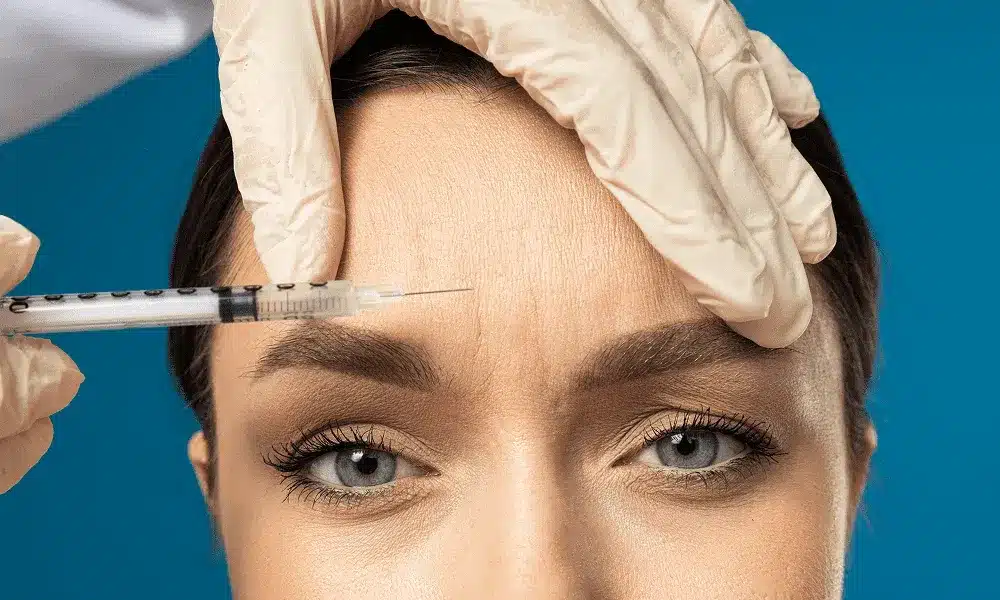
We see it everywhere now. Social media feeds full of “flash sales” for lip augmentations. Groupons for cheek filler that cost less than a decent pair of boots. It’s tempting; really, it is. We live in a world where looking refreshed is a currency, and if you can get that look for half the price, why wouldn’t you? But there is a massive difference between finding a bargain on a designer handbag and hunting for a deal on a substance that is literally being injected into your living tissue. When we talk about “budget” fillers, we aren’t just talking about a cheaper service fee. We are talking about the source of the gel itself.
The reality of the aesthetic industry is a bit like the Wild West right now. Regulations exist, sure. But the internet is a big place. Gray market products are flooding in from overseas. These are vials and syringes that look identical to the premium brands you know, but they haven’t followed the legal path to the clinic. They didn’t sit in temperature-controlled warehouses. They weren’t vetted by the strict health authorities that keep us safe. Choosing a budget option often means you are consenting to an unknown variable entering your body. It’s a gamble. And unlike a bad haircut, you can’t just wait for a bad filler job to grow out.
What Is Actually Inside That Syringe?
Medical-grade sourcing is the only way to guarantee what is going into your skin. High-end manufacturers spend millions on clinical trials. They ensure the hyaluronic acid is purified to a microscopic degree. When a provider decides to buy aesthetic dermal filler products from a verified medical supplier, they are paying for that purity. The budget stuff? It’s a mystery box. Sometimes it’s the real product but expired. Other times, it’s a knockoff made in a facility that doesn’t meet basic hygiene standards.
Think about the chemistry for a second. Fillers are complex. The molecules need to be cross-linked correctly so they don’t just migrate to your chin or your forehead. If the cross-linking agent isn’t washed away properly during manufacturing, you’re looking at a high risk of an allergic reaction. Or worse. Biofilms can form. These are essentially colonies of bacteria that wrap themselves in a protective coating inside your face. They can stay dormant for months; then suddenly, you wake up with a lump that won’t go away. This isn’t just about “bad results”: it’s about a physiological rejection.
The Hidden Dangers of the Gray Market
Why does the source matter so much? It comes down to the “cold chain.” Medical supplies are sensitive. If a dermal filler sits on a hot loading dock in a country with no oversight for three days, the molecular structure changes. It breaks down. By the time it reaches a discount injector, it might be biologically unstable. You might get lucky. But you might also end up with a granuloma. These are hard, painful nodules that the body builds around a foreign substance it perceives as a threat.
- Vascular Occlusion: This is the nightmare scenario. If a filler is too thick or has impurities, it can block a blood vessel. Without immediate intervention with the right dissolving agents, skin tissue starts to die.
- Contamination: Non-regulated factories don’t always have “clean room” status. Tiny particles of dust or metal can end up in the gel.
- Longevity Issues: Cheap fillers often disappear in weeks, or they stay forever because the body can’t break them down. Neither is a good outcome.
The problem is that most people don’t ask to see the box. We trust the person in the white coat. But if the price is too good to be true, that injector is cutting corners somewhere. Usually, they are saving money by sourcing their supplies from unregulated websites rather than authorized distributors. This leaves the patient holding all the risk.
The Importance of Traceability and Accountability
When a clinic uses legitimate channels, every single syringe has a lot number. There is a paper trail. If there is a recall, the manufacturer knows exactly where that syringe went. You have a safety net. With budget fillers, that net is gone. If you have a complication, the “bargain” injector might not even know how to help you because they don’t truly know what was in the product they used.
Practitioners who prioritize patient safety will always invest in the highest quality materials available. They understand that the integrity of the gel is just as vital as the skill of the hand holding the needle. A high-quality hyaluronic acid filler should integrate with your tissues. It should move when you smile. It should feel like nothing is there. Discount versions often feel “heavy” or “rubbery” because the manufacturing process was rushed. The focus was on profit, not on how the material behaves inside a human face over six months.
Why Sourcing Is the Foundation of Results
We need to stop looking at aesthetics as a beauty purchase and start seeing it as a medical procedure. You wouldn’t look for a “budget” heart surgeon. You wouldn’t want “discount” anesthesia. Dermal fillers fall into that same category of risk. The skin is our largest organ. It’s full of nerves and vessels. Injecting a mystery substance into it is, quite frankly, terrifying when you look at the potential for permanent scarring.
The cost of fixing a bad filler job is always triple the price of getting it done right the first time. Dissolving low-quality filler is notoriously difficult. Sometimes the enzymes we use to melt hyaluronic acid don’t work on the cheap stuff because the chemical makeup is so skewed. People end up in the emergency room or under the care of a plastic surgeon trying to cut out lumps that shouldn’t be there. That “deal” suddenly becomes the most expensive mistake of your life.
The Conversation You Must Have
Before you let anyone near your face, you have to be bold. Ask where they get their products. A reputable professional will be happy to show you the packaging and talk about their suppliers. They will explain why they charge what they charge. They aren’t just paying for the rent; they are paying for the security of a medical-grade product.
- Check for the CE mark or FDA approval: These labels mean the product has been through the ringer.
- Verify the injector’s credentials: Are they a medical professional or someone who took a weekend course?
- Trust your gut: If the clinic feels like a basement operation, it probably is.
The goal of these treatments is to feel better about yourself. To look in the mirror and see a refreshed version of you. That feeling is completely wiped out if you spend the next year dealing with inflammatory responses or lumpy skin. There is a certain peace of mind that comes with knowing the product in your cheeks is the gold standard. It allows you to enjoy the results without that nagging fear in the back of your mind.
Final Thoughts on Quality
We have to move away from the “more is more” mentality when it comes to price. Lowering the barrier to entry for these treatments has led to a rise in complications that the medical community is struggling to manage. It’s a systemic issue. But as a consumer, you have the power. You can choose to wait and save up for a provider who uses authentic, medical-grade supplies. You can choose your health over a temporary discount.
The face is a delicate map. Every injection is a permanent change, even if the filler is “temporary.” The way your body reacts to that substance determines your long-term health. Stick to the professionals. Stick to the verified sources. The risks associated with “budget” fillers are simply too high to justify. Your face deserves better than a bargain-bin solution.