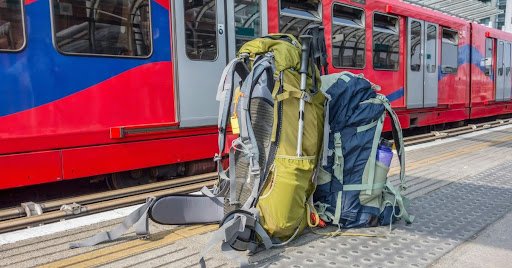
If you have ever packed a backpack for more than a week, you already know the problem. Clothes take over everything. No matter how carefully you fold, air fills the gaps and eats space. Jackets turn into bricks. Jeans stack up fast. And suddenly your backpack feels full before you even add shoes.
That is why many backpackers now rely on vacuum seal bags for clothes with pump. Not as a fancy trick, but as a practical packing habit. These bags do one simple thing well. They remove air. And once the air is gone, your backpack changes completely.
This is not a theory. This is how backpackers actually use them on real trips.
Why Backpackers Care So Much About Space
Backpacking is different from suitcase travel. You carry your bag for hours. You lift it onto buses. You squeeze it under train seats. You walk with it in the heat and rain.
Every bit of extra bulk makes life harder.
Most clothes are not heavy, but they are bulky because of trapped air. A hoodie can look light in your hand but turn into a space monster inside a backpack. Vacuum seal storage bags solve that problem by doing what folding never can. They force the air out.
Once you see the difference, you do not go back.
What Vacuum Seal Bags for Clothes with Pumps Really Are
These are not the big storage bags people use at home. Travel versions are smaller, reusable, and made for backpacks.
You put clothes inside. You close the zip. Then you use a small electric pump to pull air out through the valve.
That’s it.
It requires no tools or tricks, just a small travel-friendly pump and a plastic vacuum storage bag.
When the air is gone, the bag becomes flat. It’s not stiff, just compact.
How Backpackers Actually Pack with Vacuum Bags
Backpackers do not throw everything into one bag and hope for the best. They use vacuum bags with a system.
Bulky Clothes Go First
Jackets, sweatshirts, thick trousers, and winter layers go into vacuum seal bags. These items shrink the most. A padded jacket can lose more than half its volume once sealed.
That alone frees up a huge amount of space.
Daily Clothes Stay Accessible
Most backpackers keep one small vacuum bag for backup clothes and pack daily wear normally. That way, they do not need to open sealed bags every day.
Clean and Used Clothes Stay Separate
A common trick is using one vacuum bag for clean clothes and another for worn ones. Even without washing, sealing used clothes keeps smells from spreading inside the backpack.
Why Vacuum Seal Storage Bags Make Travel Easier
The biggest benefit is space, but that is not the only reason backpackers use them.
- Clothes stay dry during rain or boat travel
- Dust and dirt stay out
- Clothes do not shift around while walking
- Packing looks cleaner and more organised
Another bonus is balance. Flat vacuum bags sit better against your back than loose piles of clothing. That makes the backpack feel more stable while walking.
Manual Pumps vs Electric Pumps on the Road
Backpackers usually choose based on trip length and location.
Manual Hand Pumps
These are light and never fail. No charging. No cables. You can use them anywhere, even in the middle of nowhere.
They take a bit of effort. Those who don’t want such hassle can find peace with electric pumps.
Small Electric Pumps
Electric pumps save time. They are useful if you are packing multiple bags or repacking often. Many backpackers carry them on shorter trips or digital nomad stays where charging is easy.
For long backpacking trips, the reliable choice is picking cordless, rechargeable pumps that charge up to 99+ bags with one charging.
VacBird Vacuum Travel Bags Are Best for Backpackers
Many backpackers prefer VacBird vacuum travel bags because they are designed for repeat use. Backpackers open and reseal bags often. Cheap bags fail quickly when used this way.
VacBird bags come in different sizes, which matters. Small bags work well for lightwears and shirts. Medium ones handle jeans and hoodies. Larger ones are good for jackets.
The valve design works smoothly with both compact electric pumps and rechargeable pumps. That matters when you are packing in a hostel room or on a train platform.
Another reason backpackers choose VacBird vacuum storage bags is seal reliability. When a bag slowly leaks air, it becomes useless. These bags hold compression well even after several uses.
Types of Vacuum Seal Storage Bags Backpackers Use
Backpackers usually avoid single-use bags. Reusability matters.
Reusable Pump-Based Bags
These are the most common choice. They compress more than roll-up bags and work better for thick clothes.
Roll Compression Bags
Some backpackers carry roll bags for short trips. They do not need a pump, but they compress less. Most serious backpackers still prefer pump-based bags.
How to Pack Vacuum Seal Bags Properly
Using them the wrong way shortens their life.
- Always pack dry clothes
- Do not overfill the bag
- Fold clothes instead of stuffing
- Close the zip fully before pumping
- Stop once the bag is flat
Pumping too hard does not help. It only stresses the seams.
Mistakes First-Time Backpackers Make
Many beginners make the same mistakes.
- Packing wet clothes and sealing them
- Using vacuum bags for delicate fabrics
- Forgetting the pump at home
- Packing sharp items next to the bag
Vacuum seal bags work best with everyday clothing like cotton, denim, fleece, and synthetic travel wear.
Are Vacuum Seal Bags Worth Carrying
For backpackers, yes. Almost always.
They do not reduce weight, but they reduce chaos. They make packing predictable. And they help avoid overpacking because you can actually see how much space you have left.
Vacuum seal bags for clothes with pumps are not a gimmick. They are a tool. Used correctly, they make long trips easier and backpacks more manageable.
Once you use them properly on a real trip, packing without them feels wasteful.