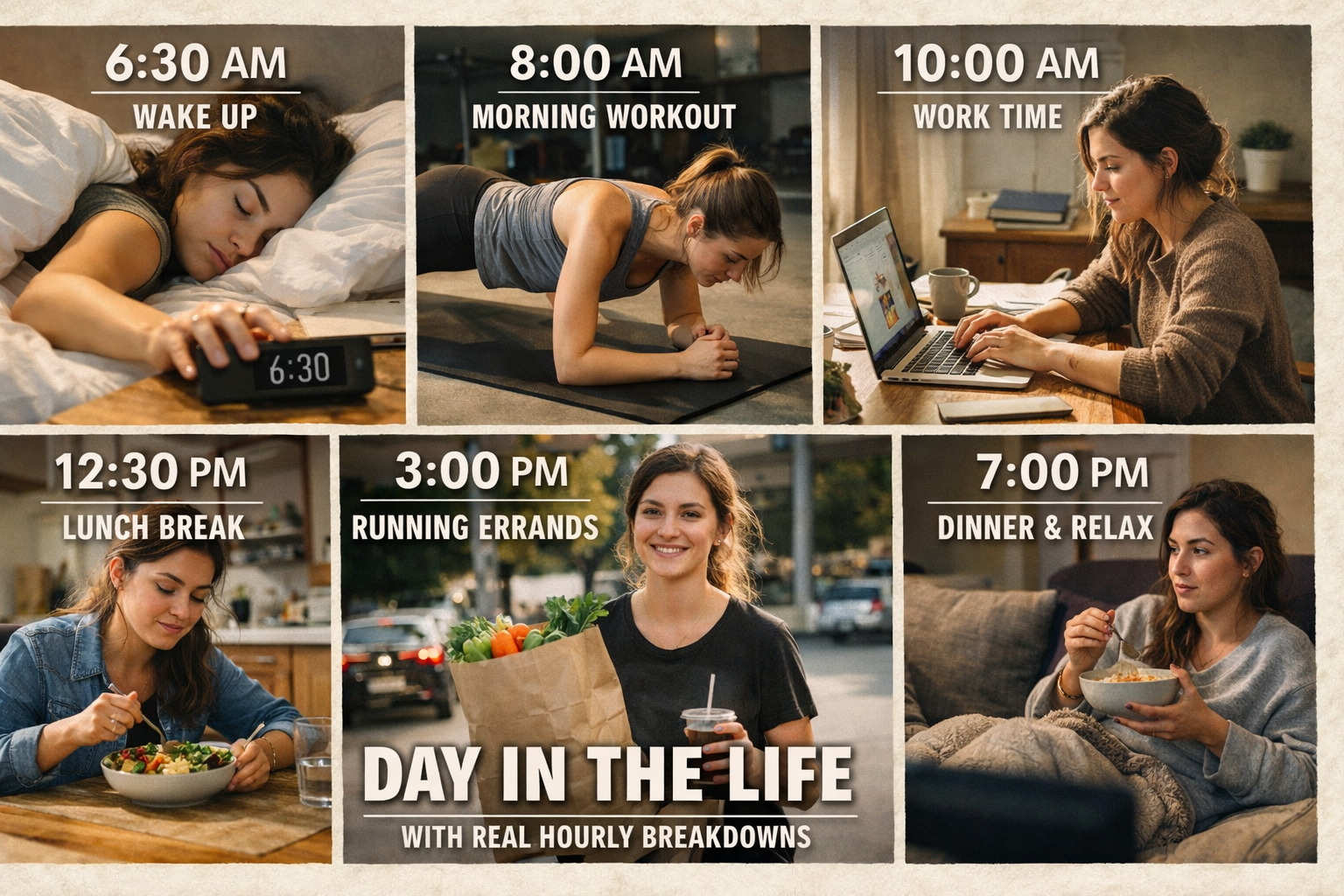
Day-in-the-life videos work because they offer something simple: a real look at how someone spends their time. The problem is that many videos drift into vague montages where hours disappear, and viewers stop trusting the format. Real hourly breakdowns fix that by creating a clear timeline that feels grounded and satisfying. When a creator shows what happens at 7, 9, 12, and 3, the viewer can follow the day like a story with scenes, transitions, and stakes. This structure also helps the creator stay honest about work blocks, breaks, errands, and downtime, rather than overpolishing everything into a highlight reel. Hourly pacing makes it easier to include productivity, lifestyle, and personality without forcing constant talking. It gives the video natural momentum because each new hour becomes a micro-cliffhanger. Even on an ordinary day, the format makes it interesting by revealing real choices, real constraints, and real routines that viewers can compare with their own lives.
How to plan an hour-by-hour storyline
- Choose a day with built-in variety.
An hourly breakdown is easiest when the day has a few natural shifts, like work, a meeting, a workout, a class, errands, or a creative project. That does not mean you need a packed schedule. It means the day should have contrast so each hour feels different. If you pick an entirely repetitive day, viewers may feel like they are watching the same scene over and over. A good approach is to film on a day that reflects your normal life but includes one anchor event, such as a client call, a study deadline, a restock trip, or a family obligation. Before filming, write a simple timeline on your phone, listing the key hours and what each one is likely to include. This helps you capture hours that would otherwise go unnoticed, such as commute time, meal prep, or short admin tasks that keep your life running. The goal is to keep the day believable while still giving the viewer a reason to stay until the end. When the day is chosen thoughtfully, the hourly structure feels natural instead of forced.
- Use visual timestamps and honest mini-recaps.
Hourly videos feel real when time is clearly marke,,d and the creator is honest about what changed in that hour. On-screen timestamps, either as text overlays or quick shots of a clock, anchor the viewer to the timeline. Pair each timestamp with one honest mini recap: what you planned to do, what actually happened, and what you will do next. That simple pattern prevents the video from turning into a list of tasks with no emotional thread. It also builds trust by showing trade-offs, delays, and unexpected interruptions that are part of real life. If you are chasing YouTube Trending Videos, resist the urge to fake a perfectly optimized schedule, because viewers often connect more with honest pacing than with polished fantasy. A short recap can be a voiceover, a direct-to-camera check-in, or even text on screen if you prefer minimal talking. The key is consistency. When every hour has a marker and a recap, the viewer feels guided through the day, making the video easier to follow, even when multitasking.
- Film the transitions, not just the highlights.
Many creators only film the productive moments, then wonder why the video feels hollow. Transitions are what make an hourly breakdown feel real. Show the walk to the desk, the setup of your work area, the moment you decide to change plans, the quick tidy up, the snack decision, the break that turned longer than expected, and the small reset before the next hour. These moments create context and make the day feel lived in. Transitions also let you add variety without inventing events. A simple cut from morning light to afternoon shadows communicates time passing better than a montage of random clips. If you are driving or commuting, capture safe b-roll like the key turning, the train platform, or a street shot, then do the recap once you are stationary. When you film transitions, your hourly breakdown becomes a narrative of choices, not just a checklist. This is also where personality comes through, because viewers see how you move through space, how you handle friction, and how you reset after interruptions.
Hourly videos that build trust
Day-in-the-life videos with real hourly breakdowns work because they create a clear story for viewers to follow. Choosing a day with natural variety gives the timeline shape, while time stamps and mini recaps keep the viewer oriented and engaged. Filming transitions adds realism and makes the day feel complete rather than staged. Flexible pacing lets you condense quiet hours while maintaining honesty, which is what keeps people watching and coming back. Over time, this format builds trust because viewers feel like they understand your routines and your real decisions rather than a highlight reel. When trust grows, viewers stay longer, comment more, and share the videos because they feel grounded and relatable.