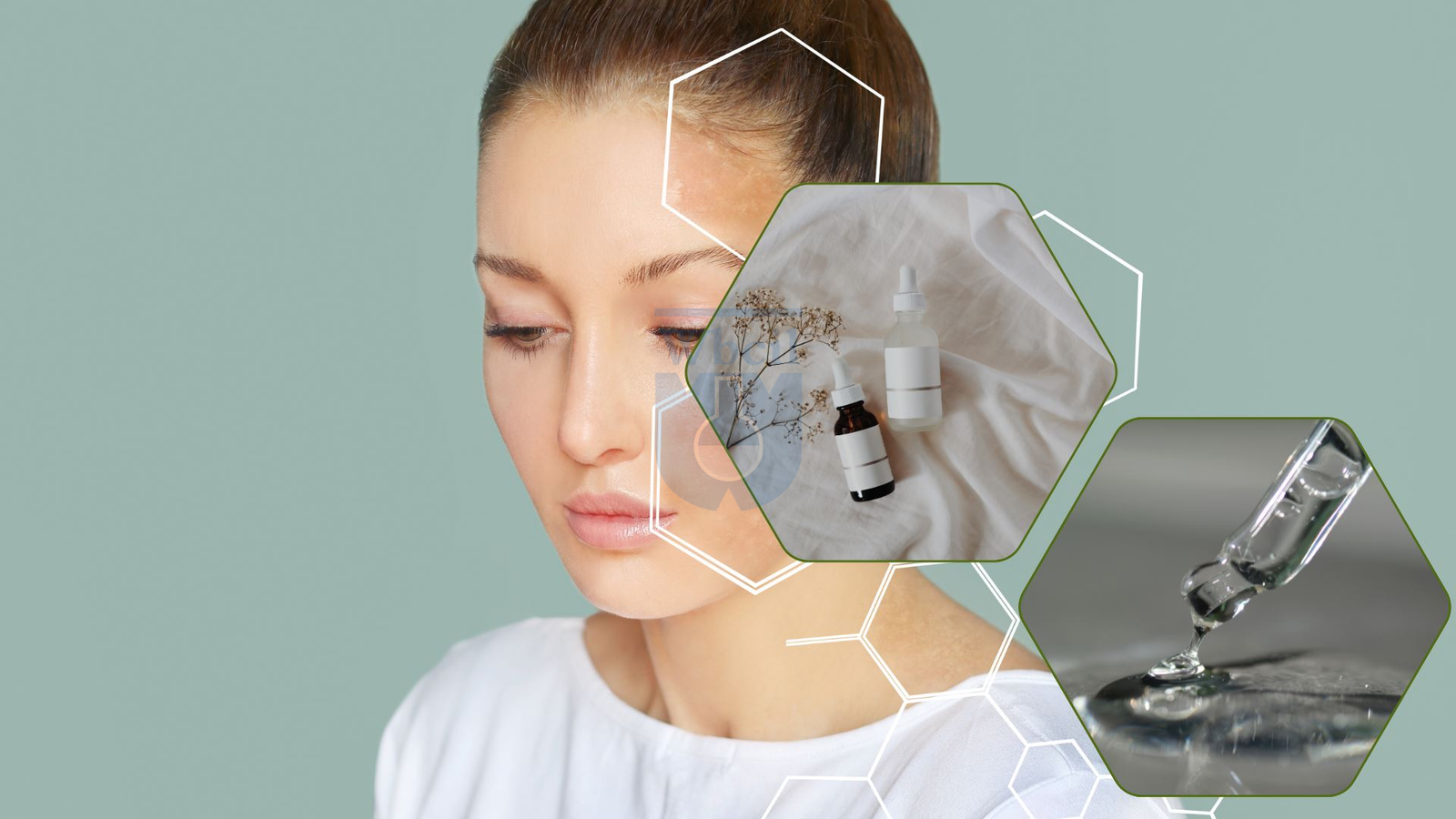
Skin care usually feels like it’s all about the surface. You put something on; it feels sticky or smooth; you hope for the best. But the real drama? It happens much deeper. Most people think of their skin barrier like a brick wall. That’s the classic analogy, right? Bricks and mortar. But if that wall is crumbling because the foundation is wet sand, no amount of paint on the outside is going to save it. We need to talk about the delivery system. Specifically, we need to talk about liposomes. These tiny bubbles are changing the game because they don’t just sit on top of your face like a heavy oil. They actually get in there.
The Barrier Crisis You Didn’t Know You Had
It starts with a tight feeling after washing. Or maybe those random red patches that won’t go away no matter how much moisturizer you slather on. This is the barrier screaming for help. Usually, we try to fix this by piling on thick creams. The logic is simple: if the skin is dry, add grease. But your skin is a picky eater. It doesn’t want a buffet of heavy waxes; it wants specific lipids delivered to the right floor of the building.
When the barrier breaks, you lose water. It’s called transepidermal water loss. It sounds technical; it’s actually just your hydration evaporating into thin air because the seal is broken. Most traditional serums have molecules that are simply too big to pass through the top layer of dead skin cells. They stay at the door. They never get to the party. This is where the liposomal tech steps in to bridge that gap.
Why Liposomes Are the Secret Weapon
Think of a liposome as a microscopic Trojan horse. It’s a little sphere made of the same stuff as your cell membranes. Because of this, your skin recognizes it. It doesn’t see it as a foreign invader to be blocked. It sees a friend.
- Mimicry: The phospholipid bilayer of the liposome matches your skin’s natural chemistry.
- Protection: It keeps unstable ingredients, like Vitamin C or Retinol, tucked away so they don’t go bad before they hit the target.
- Depth: It travels through the intercellular spaces, reaching deeper than a standard water-based gel ever could.
This isn’t about just making the skin look shiny for an hour. It’s about structural repair. When you use a serum that utilizes this technology, you are essentially sending a repair crew directly to the basement. They carry the tools needed to rebuild the lipid matrix. It’s a more intelligent way to handle irritation. You stop fighting the surface symptoms and start addressing the structural integrity.
Finding the Right Formulation for Deep Repair
If you are looking to get serious about this, you have to look at the brands that pioneered the tech. Not every serum labeled “deep acting” actually has the transport system to back it up. You want something formulated by experts who prioritize stability and penetration. If you decide to order sesderma online, you’ll notice a difference in how the product disappears into the skin. It doesn’t sit there. It vanishes. That’s the sign of a high-quality liposomal delivery system at work. These formulas focus on encapsulating active ingredients so they remain potent until the moment they reach the living layers of the dermis. This ensures that the hydration isn’t just a temporary film but a lasting change in the skin’s ability to hold onto its own moisture.
The Science of Internal Reconstruction
Your skin is alive. It’s an organ. Yet, we treat it like a piece of leather that needs polishing. To truly fix a damaged barrier, you need to encourage the skin to produce its own ceramides and fatty acids. Liposomal serums often carry “precursors.” These are the raw materials your skin needs to build its own defenses.
The delivery of these materials is crucial; otherwise, they just oxidize on the surface. When the liposome breaks down deep inside, it releases its cargo exactly where the new skin cells are being formed. This results in a barrier that is tougher, more resilient, and less prone to reacting to every little change in the weather. It is a slow process; it takes a few weeks to see the full effect. But the results are more permanent than a quick-fix balm.
Breaking the Cycle of Sensitivity
Many people think they have “sensitive skin” when they actually just have a “sensitized barrier.” There is a big difference. One is genetic; the other is a result of over-exfoliation, harsh weather, or bad products.
- Stop the harsh acids for a week.
- Introduce a liposomal serum twice a day.
- Seal it with a simple, bland occlusive.
This routine allows the liposomes to do the heavy lifting. By providing the building blocks for repair, you reduce the inflammation that causes redness. You might find that your “sensitive” skin was actually just hungry for the right kind of nourishment.
Consistency Over Intensity
The temptation is always to do more. More peels, more scrubs, more strength. But barrier repair is about doing less, better. It is about the quality of the penetration. A small amount of a liposomal formula is worth more than a bucket of cheap lotion.
We have to move away from the idea that skin care should “tingle” or “burn” to be working. In fact, if you feel a burn, you’re likely tearing the barrier further. True repair feels like nothing. It feels like your skin is finally relaxing. It’s a quiet process. You wake up one morning and realize your face doesn’t feel tight. You notice the texture is smoother, not because you scraped it off, but because the cells are healthy and plump from the inside.
The Long-Term Play
As we age, our natural lipid production slows down. The “mortar” between our skin cells gets thin and full of holes. This is why older skin looks crepey and dull. It’s not just wrinkles; it’s a loss of structural moisture. Liposomal technology acts as a supplemental system for what your body is no longer doing efficiently.
It is a long-term strategy for skin health. By maintaining the barrier from within, you prevent the micro-inflammation that leads to premature aging. You protect the collagen that’s already there. It is much easier to preserve a healthy barrier than it is to try and fix one that has completely collapsed.
Investing in a delivery system rather than just a “hot” ingredient is the smartest move you can make. It’s the difference between throwing a glass of water at a fire and installing a sprinkler system inside the walls. One is a desperate attempt; the other is a plan.
Final Thoughts on Cellular Communication
Our skin cells communicate with each other through chemical signals. When the barrier is compromised, these signals get frantic. They send out distress calls that result in inflammation. Liposomal serums help quiet that noise. By restoring the physical structure of the barrier, the internal signaling returns to normal.
The skin stops being in a constant state of “alert” and starts focusing on regeneration. This shift is vital for anyone dealing with chronic dryness or environmental stress. It’s about giving your skin the peace it needs to function correctly. Focus on the depth. Focus on the technology. Your skin will thank you by finally looking as healthy as it feels.