
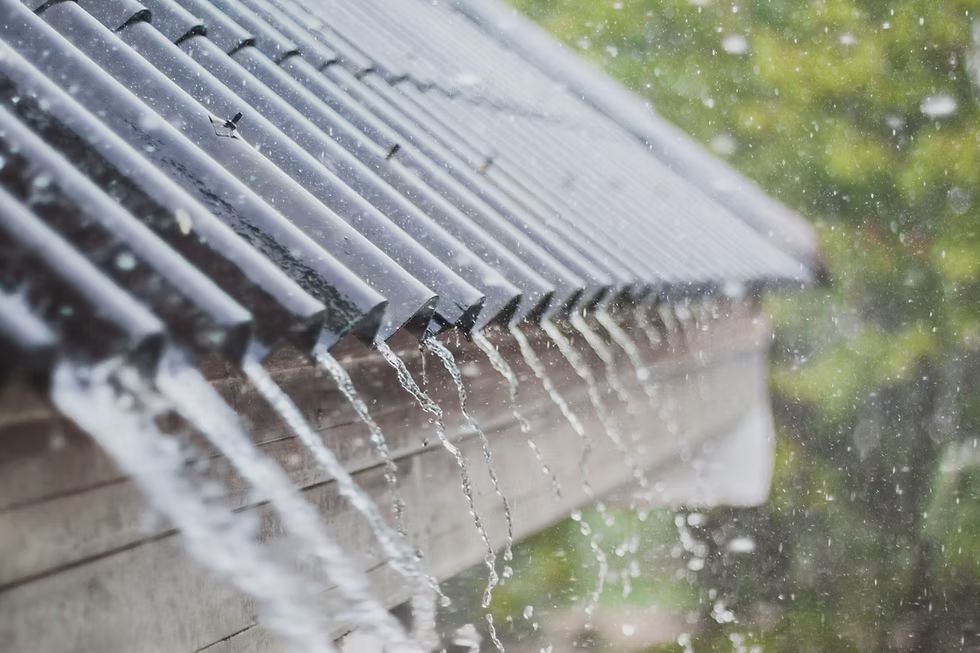
When thinking of water damage, most homeowners think of problems inside the home, but more problems often originate from the outside of the home. Over time, problems from the exterior of the home develop and can become costly to fix. These problems can cause major structural damage. Knowing how to evaluate exterior parts of the home can help a homeowner eliminate costly fixes.
One of the simplest things a homeowner can do for preventative maintenance is to schedule professional gutter cleaning. Clogged or damaged gutters cause water to overflow and collect around the home’s exterior. This poses a threat to the exterior and can cause damage to the fascia, paint, and foundation of the home. Mildew can grow and soil can erode as a result of water being trapped. Regular exterior maintenance can prevent permanent structural damage to the home.
Here are some of the most common signs to help evaluate the home and look for problems.
Staining of Fascia Along the Roofline
The horizontal fascia board is the most likely area to be impacted from water damage. This is because the fascia board is positioned behind the gutters.
It’s important as you conduct the inspection to look for the following:
– Unusual dark streaking or staining on the fascia.
– Soft or warped wood.
– Discoloration or swelling of paint.
– Sections of the gutter that seem to be pulling away from the fascia board.
The cause of staining on fascia boards is typically due to repeated overflows of the gutters or water getting trapped within a gutter due to a clog. If the gutters grab hold of the overflows, the fascia boards can start to rot.
Ignoring the damaged boards can cause a failure of the gutter system as a whole, making it possible for water to start to penetrate the roofing system. These signs show that it’s possible to repair sections of fascia and rectify drainage issues before the problem is systemic.
Bubbling or Peeling Paint on the Building’s Exterior
In addition to serving as a decorative element, paint serves as a moisture barrier. Continuous direct water contact will deteriorate the paint used on the surface.
The signs of moisture permeation damage on paint include:
– Blistered or buckling paint.
– Peeling or cracking of the top layer.
– Flaking paint at the top of the walls or window scabs.
– Color changes on the facade.
The issues are prevalent where surface water runoff repeatedly splashes water on the house. Water that is flowing from gutters, that are missing downspouts, or where drainage is inadequate will run down the siding.
Once paint deteriorates, moisture can access the siding, and the wood can start to rot. This may cause damage to insulation and results in the potential for hidden mold to grow within the wall. If exposed paint is not addressed quickly, it may lead to significant issues.
Mildew and Mold Development on exterior Surfaces
With a persistent moisture problem, mildew growth on surfaces can be a warning sign that moisture is collecting on surfaces that should be dry. While collecting moisture is a serious problem, mildew growth may be dismissed as an insignificant problem. Mildew can be found in a number of locations, including:
– Dark exterior walls
– Roof overhangs
– Downspouts and gutters
– Window frames
Typical colors of mildew on the trim of building are black, gray and green. Mildew prefers to grow in a wet environment that will provides a predictable moisture collection. A problem of unseen water may be damaging to a building and its contents, as well as providing ideal conditions for the growth of outdoor and indoor mold. If moisture is collecting on a surface, mildew problem on the trim may be a sign that water is not moving properly away from the building. Clogged gutters, downspouts, or damaged flashing are also problems that are caused by water that is not properly moving away from the building and is collecting water.
Soil Erosion Around the Foundation
Most families focus their attention inside their homes, but the changes in the soil around the home can provide valuable clues about the problems the home may have in drainage around the home. Soil changes will be numerous if gutters and downspouts are not directing water away from the home. Continuous water run-off will also create drainage channels and will severely erode the soil around the foundation.
Signs of soil erosion can include:
– small trenches or grooves can form near the home
– Foundations walls are visible
– After storms, mulch or soil wash away
– Puddles near the foundation
Eroded soil can compromise the landscaping because of the foundation’s stability. When the soil washes away, the ground is uneven around the house that increases the possibility of settling or the foundation wall developing cracks. Addressing drainage issues early on can preserve stable soil and avoid costly structural damage.
Clogged or Overflowing Gutters.
Your gutter’s main job is to protect the house from gaining water. They help by catching the rainwater and leading it away from the house.
However, gutters can easily become clogged with:
– Leaves
– Sticks
– Roof debris
– Dirt buildup
Water is designed to flow freely through the staffing of gutters. Otherwise, it spills over the edge and soaks the siding of the house.
During your inspections, look for:
– Outward water flow from gutter edges during rain
– Gutters sagging under the retained weight of debris
– Stuck or blocked downspouts
These signs tell the drainage system is not functional. Routine maintain the home or to avoid damage to the siding.
Faulty Downspouts and Misguided Water Flow
Downspouts must be intact and functioning to divert water away from the home’s foundation. Downspouts can be damaged, disconnected, and even clogged, which causes water to pool around the foundation instead of draining away.
Consider the following:
– Downspouts end too close to the home
– Sections are loose, disconnected, or missing
– Water pools at the base after every rain
– Downspouts have rust or visible cracks
To protect the foundation, water should be directed away from the home at least 3 to 5 feet. In addition to guidance from downspouts, extensions or splash blocks are beneficial in directing water away and preventing erosion.
If downspouts are properly functioning and installed, the home will stand a lesser risk of sustaining water damage.
Simple Exterior Walk-Around
You don’t have to be a water damage expert to do an early water damage sign evaluation. After a rainstorm, take a quick exterior walk to check for drainage problems.
Quick checklist:
1. Look up for marks on the roof fascia, or gutter.
2. Check for paint peeling or discoloration on the home siding.
3. Check for mildew in shaded areas.
4. Gutters should not be sagging or blocked.
5. Are the soil and downspouts directed away from the home clear of puddles or erosion?
A quick walk should suffice for the inspection. The goal is early detection of problems to take action prior to extensive damage.
Preventative Maintenance Saves Money
Repairing a building’s structural water damage is usually very expensive, with costly investments and large labor requirements needed for foundation repairs, replacement of siding, and damage to roofs.
Fortunately, if you do preventative maintenance, most of the exterior water damage is minor at the start and major problems usually take time to develop. Homeowners can pick the problems early and avoid the bigger water damage issues.
Maintaining a clean gutter system, is a critical part of preventative maintenance. The maintenance needed to avoid the water damage repairs is as simple as clearing the debris from the gutters, inspecting the gutters to make sure the water can move and the gutters are not blocked, and, of course, making sure the water is flowing in the right direction.
Final Thoughts
Water damage to the exterior of a building is not a problem that happens overnight. It usually starts with minor problems and progressively becomes more serious. Homeowners can save themselves a lot of money if they take the time to learn the problems.
You will be able to maintain the exterior of your home, and with the proper care, you can make sure that the problems don’t keep happening to your home. Maintaining the exterior of your home, will help the look of your home be preserved and help prevent expensive problems from happening to the exterior of your home. Consistent maintenance and attention to small details will help you keep your home free from long term water damage.
