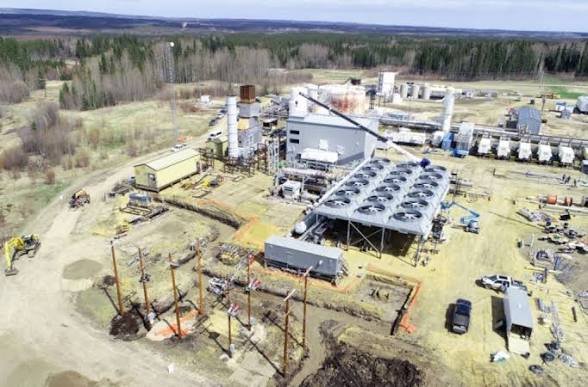
Some careers are defined by a single role; others are defined by the environments a person learns to operate in. For Sohaib Wasif Calgary, the defining thread has been the project environment itself — the high-stakes, deadline-driven world of major capital programs where cost, schedule, and risk all have to be managed at once. Over more than two decades based in Calgary, Sohaib Wasif has worked in project environments across Alberta’s energy and infrastructure sectors, building a reputation as a project controls professional who brings order and clarity to complexity.
What makes a project environment distinct is the constant pressure of competing demands. A program may involve thousands of activities, dozens of stakeholders, large budgets, and tight timelines, all unfolding at the same time. Thriving in that setting requires more than technical knowledge; it requires temperament, discipline, and the ability to keep a steady head when a project starts to drift. These are the qualities that have shaped his career from the outset.
Learning the Discipline From the Ground Up
Project controls is not a field most people set out to enter; it is one they grow into through exposure to real projects. Early in his career, the foundations were laid in the day-to-day work of tracking progress, reconciling cost data, and updating schedules. That hands-on grounding matters, because the credibility of a controls professional rests on understanding how the numbers are actually produced, not just how they are presented.
Calgary, as a hub for energy and major infrastructure work, offered an ideal proving ground. The city’s project landscape demands rigour, and the programs that run through it leave little room for guesswork. Working in that context, he developed the habits that would later define his approach: insistence on clean data, honesty in forecasting, and a refusal to let small variances go unexamined until they became large problems.
Breadth Across Sectors
One of the advantages of a career spent in Alberta’s project environments is exposure to a range of industries. Energy projects bring their own technical and regulatory complexity; infrastructure programs bring different stakeholder dynamics and public accountability. Moving across these sectors builds a versatility that a single-industry career rarely produces, and it sharpens the judgment needed to adapt controls practices to the demands of each program.
This breadth also reinforces a core truth about project controls: while every project is different, the underlying disciplines are universal. Sound planning, accurate cost management, disciplined change control, and proactive risk management apply whether the work involves an energy facility or a piece of public infrastructure. Carrying these principles consistently from one environment to the next is what allows a professional to add value quickly on a new program.
A Reputation Earned in Practice
Reputations in project controls are not built on titles; they are built on outcomes and on the trust of the teams a person works with. Over the years, the value he has brought has come from being the person who sees a problem coming before it arrives, who can explain a complicated cost position in plain terms, and who keeps the project’s leadership grounded in reality rather than optimism.
That kind of reliability is quietly powerful on a major program. Project directors come to depend on a controls professional who tells them the truth, even when it is unwelcome, and who backs every assessment with solid data. It is this steadiness, accumulated over many projects, that has made his name a trusted one in Calgary’s project community.
Why the Environment Still Matters
It would be easy to assume that after twenty years the work becomes routine, but project environments never truly settle. New technologies, new delivery models, and new economic pressures keep changing what good project controls looks like. Staying effective means continuing to learn, adapting methods to each program, and never losing the curiosity that drew him to the field in the first place.
Sharing Knowledge With the Next Generation
A long career in project controls produces more than personal expertise; it produces knowledge worth passing on. Much of what makes the discipline effective is learned through experience rather than textbooks, and professionals who have spent years in demanding project environments carry hard-won lessons that younger colleagues cannot easily acquire on their own. Sharing that knowledge — explaining not just what to do but why, and what tends to go wrong — strengthens the teams and the profession as a whole.
This kind of mentorship matters especially in a field where good judgment is the most valuable asset. Teaching a newer controls professional how to read the early signs of a cost or schedule problem, or how to present difficult information to leadership, accelerates their development in ways that formal training alone never could. The willingness to invest in others is part of what distinguishes a seasoned professional from merely an experienced one.
Rooted in the Calgary Project Community
Calgary’s standing as a hub for energy and infrastructure work means it has a dense, interconnected community of project professionals. Building a career here involves not only delivering on individual programs but also becoming a known and trusted member of that wider community. Relationships built over years — with colleagues, contractors, and clients — become part of a professional’s value, opening doors and smoothing the way on future work.
That local rootedness also brings a deeper understanding of the regional context: the regulatory environment, the labour market, the particular pressures that shape projects in Alberta. A professional who understands these realities can anticipate challenges that an outsider might miss, and that contextual awareness is itself a form of expertise that only time in one place can build.
Measuring Success the Right Way
Success in project controls is not measured by the volume of reports produced but by the quality of the decisions they enable. A controls function that helps a program finish closer to its targets, with fewer surprises along the way, has done its job, however quietly. Keeping that definition of success in mind guards against the trap of mistaking activity for value, and it focuses effort on the work that actually moves a program toward a good outcome.
Over a long career, this outcome-focused mindset becomes a defining habit. The measure that matters is whether the project’s leadership had the clarity they needed, when they needed it, to steer well — and whether the program delivered on its commitments as a result. That is the standard a seasoned professional holds themselves to, project after project.
For anyone trying to understand what a long career in project controls actually produces, the answer is not a single achievement but a way of working — measured, honest, and grounded in the realities of the project environment. That is the through-line of his career in Calgary, and it remains the foundation everything else is built on. His professional background and current work are detailed further on his website.