
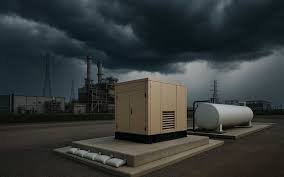
Houston residents know that power outages are not a matter of if, but when. Between hurricane season, tropical storms, lightning strikes, and peak summer demand, blackouts can happen with little warning. When the grid goes down, families and businesses are left scrambling to protect food, electronics, medical equipment, and comfort.
If you’ve ever searched for generator repair near me after a storm knocked out your power, you understand how important backup electricity truly is. A standby generator offers automatic protection during outages, keeping your home or business running safely when it matters most.
In this guide, we’ll explain why standby generators are essential in Houston, how they compare to portable units, and why routine maintenance is critical for long-term reliability.
Why Houston Is Prone to Power Outages
1. Hurricane Season
Houston’s hurricane season runs from June through November, with peak storm activity typically in late summer. Strong winds, flooding, and fallen trees frequently damage power lines and substations.
Even if a storm weakens before landfall, widespread outages can still occur due to:
- Downed transmission lines
- Flooded electrical infrastructure
- Lightning strikes
- Debris damage
Some neighborhoods lose power for hours. Others may be without electricity for days.
2. Summer Heat and Grid Overload
Houston’s extreme summer temperatures push air conditioners into overdrive. When thousands of homes and commercial properties run HVAC systems simultaneously, the electrical grid can become overloaded.
Rolling blackouts or unexpected outages may occur when demand exceeds supply — especially during record-breaking heat waves.
Without backup power, indoor temperatures can quickly become unsafe, especially for:
- Children
- Elderly residents
- Individuals with medical conditions
What Is a Standby Generator?
A standby generator is a permanently installed backup power system that automatically turns on when the grid fails. Unlike portable generators, standby units are hardwired into your electrical panel and connected to a fuel source such as natural gas or propane.
When the power goes out:
- The automatic transfer switch detects the outage.
- The generator starts within seconds.
- Your home or business continues operating with minimal interruption.
When utility power is restored, the generator shuts down automatically.
Standby Generators vs. Portable Generators
Many homeowners initially consider portable generators because of their lower upfront cost. However, there are significant differences between portable and whole-home systems.
Portable Generators
Pros:
- Lower purchase price
- Easy to transport
- Suitable for powering a few essentials
Cons:
- Must be manually started
- Limited power capacity
- Requires refueling
- Risk of carbon monoxide if used improperly
- Cannot power entire home
Portable units are typically best for short-term use and limited loads, such as refrigerators and a few lights.
Whole-Home Standby Generators
Pros:
- Automatic operation
- Can power the entire home
- Runs on natural gas or propane (no refueling during storm)
- Safer and professionally installed
- Increases property value
Cons:
- Higher upfront investment
- Requires professional installation
For Houston’s extended outages and hurricane threats, whole-home standby generators provide superior reliability and peace of mind.
How Standby Generators Protect Comfort and Safety
1. Climate Control
Houston heat can quickly turn a powerless home into a dangerous environment. A standby generator keeps air conditioning systems running, preventing heat-related illnesses and maintaining indoor air quality.
2. Food Preservation
Extended outages can spoil hundreds of dollars in refrigerated and frozen food. With backup power, refrigerators and freezers remain operational.
3. Medical Equipment Support
For households relying on oxygen machines, CPAP devices, refrigerated medications, or other medical equipment, uninterrupted power is critical.
4. Security Systems
Generators ensure that:
- Security cameras
- Alarm systems
- Motion sensors
- Exterior lighting
remain functional during storms, reducing vulnerability.
5. Business Continuity
For commercial properties, outages can mean lost revenue, data disruption, and operational shutdowns. Restaurants lose perishable inventory. Offices lose connectivity. Retail stores close unexpectedly.
Partnering with a qualified professional, especially if you’re searching for a commercial electrician near me, ensures your generator system is properly sized and integrated to protect your operations.
Choosing the Right Generator Size
Proper sizing is essential. An undersized generator may overload, while an oversized system increases costs unnecessarily.
A licensed electrician will calculate:
- Total electrical load
- Essential vs. non-essential circuits
- HVAC requirements
- Appliance startup wattage
- Future expansion plans
Load calculations ensure your generator performs efficiently without strain.
Professional Installation Matters
Standby generators must be installed according to local building codes and manufacturer specifications. Installation typically includes:
- Concrete pad placement
- Fuel line connection
- Electrical panel integration
- Automatic transfer switch installation
- Final inspection and testing
Improper installation can cause:
- Backfeeding into the utility grid
- Fire hazards
- Equipment failure
- Voided warranties
Hiring a licensed professional ensures compliance and safety.
Routine Generator Maintenance Is Essential
A standby generator is only effective if it works when needed. Regular maintenance keeps your system storm-ready.
Recommended Maintenance Includes:
- Oil and filter changes
- Battery inspection
- Coolant checks
- Fuel system inspection
- Load testing
- Software diagnostics
Most manufacturers recommend servicing at least once per year, or after a set number of operating hours.
Without maintenance, common issues include:
- Dead starter batteries
- Fuel contamination
- Corrosion
- Failure to start during outages
Routine service ensures reliability during hurricane season.
Signs Your Generator Needs Service
Watch for warning signs such as:
- Delayed startup during test cycles
- Warning lights on the control panel
- Strange noises during operation
- Leaks or visible corrosion
- Failure to switch power automatically
Addressing issues early prevents costly breakdowns during emergencies.
Is a Standby Generator Worth the Investment?
For Houston homeowners and business owners, the answer is often yes. Consider the costs of:
- Hotel stays during outages
- Spoiled food
- Business downtime
- Lost productivity
- Property damage from flooding pumps failing
A standby generator provides protection, convenience, and long-term value.
Preparing Before the Next Storm
Don’t wait until a hurricane warning is issued to consider backup power. Installation and inspections can take time, especially during peak storm season when demand spikes.
Planning ahead allows you to:
- Evaluate power needs
- Choose the right generator
- Schedule professional installation
- Establish a maintenance plan
Being proactive ensures you’re protected before the next major storm arrives.
Final Thoughts
Houston’s storms and summer blackouts are unpredictable, but your preparedness doesn’t have to be. A whole-home standby generator provides automatic, reliable backup power that protects comfort, safety, and business continuity.
From keeping your air conditioning running during heat waves to ensuring medical equipment stays powered during hurricanes, a standby generator is one of the smartest investments for storm-prone areas. With professional installation and routine maintenance, your system will be ready whenever the grid goes down.
