
Modern businesses rely on server infrastructure to support critical operations such as data processing, virtualization, and application hosting. Choosing the right server is not just about technical specifications; it directly affects performance, scalability, and long-term efficiency. For decision-makers, selecting the wrong configuration can lead to performance bottlenecks, higher operational costs, and limited flexibility.
ASRock servers, particularly from the ASRock Rack lineup, are known for their cost-effective and high-density designs. However, their wide range of configurations requires careful evaluation. Understanding the key factors before making a decision ensures the selected server aligns with workload requirements and delivers reliable performance.
Understanding the Core Requirements
Before selecting hardware, it is essential to define the intended workload and performance expectations. ASRock Servers are designed to support diverse applications, including virtualization, storage, and high-performance computing.
A clear understanding of requirements helps narrow down the right configuration. This approach ensures efficient resource allocation and prevents unnecessary spending while maintaining optimal performance.
1. Workload Requirements and Processor Support
The first factor to consider is the type of workload the server will handle. Different applications require different levels of processing power and architecture.
For compute-intensive workloads such as AI or virtualization, high-core-count processors like AMD EPYC are often preferred. For applications requiring strong single-thread performance, Intel Xeon processors may be more suitable. Matching the processor to the workload ensures efficient performance and reduces system strain.
2. Memory Capacity and ECC Support
Memory plays a critical role in maintaining system stability and performance. Servers must support ECC (Error-Correcting Code) memory to ensure data integrity and prevent corruption.
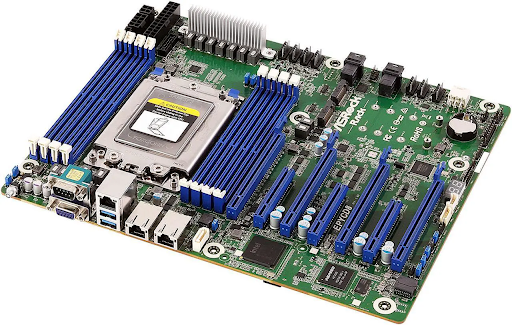
ASRock server platforms typically support ECC RDIMM or LRDIMM modules. Evaluating the number of memory slots and channels is also important, as this determines bandwidth and scalability. Sufficient memory capacity allows smooth multitasking and efficient handling of large datasets.
3. Expansion and Connectivity Options
Modern server environments require flexibility for expansion and connectivity. ASRock servers are known for offering multiple PCIe slots, enabling integration of GPUs, high-speed networking cards, and storage controllers.
High-speed networking options such as 10GbE or higher are essential for data-intensive applications. Adequate connectivity ensures seamless communication between systems and supports high-performance workloads without bottlenecks.
4. Storage Flexibility and Performance
Storage configuration directly impacts data access speed and overall system performance. Servers must support a combination of SATA, NVMe, and other storage options to meet different workload needs.
Efficient storage solutions reduce latency and improve data handling capabilities. Choosing a server with flexible storage options ensures better performance and adaptability for evolving data requirements.
5. Remote Management and Reliability Features
Reliable server management is essential for maintaining uptime and reducing operational complexity. Many ASRock Server Systems include built-in Baseboard Management Controllers (BMC) with IPMI support for remote monitoring and control.
These features allow administrators to manage systems, monitor performance, and troubleshoot issues without physical access. Effective management tools improve efficiency and ensure consistent system operation.
6. Form Factor and Compatibility
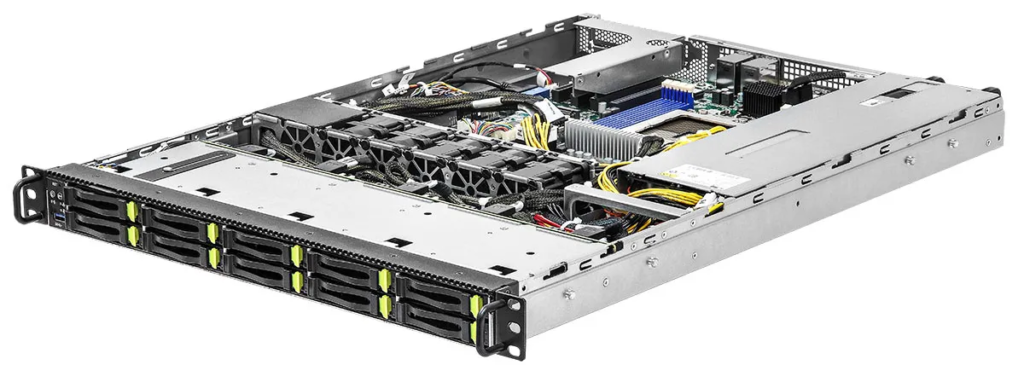
The physical design of the server must align with the existing infrastructure. ASRock servers are available in various form factors, including ATX, Micro-ATX, and rack-mounted configurations.
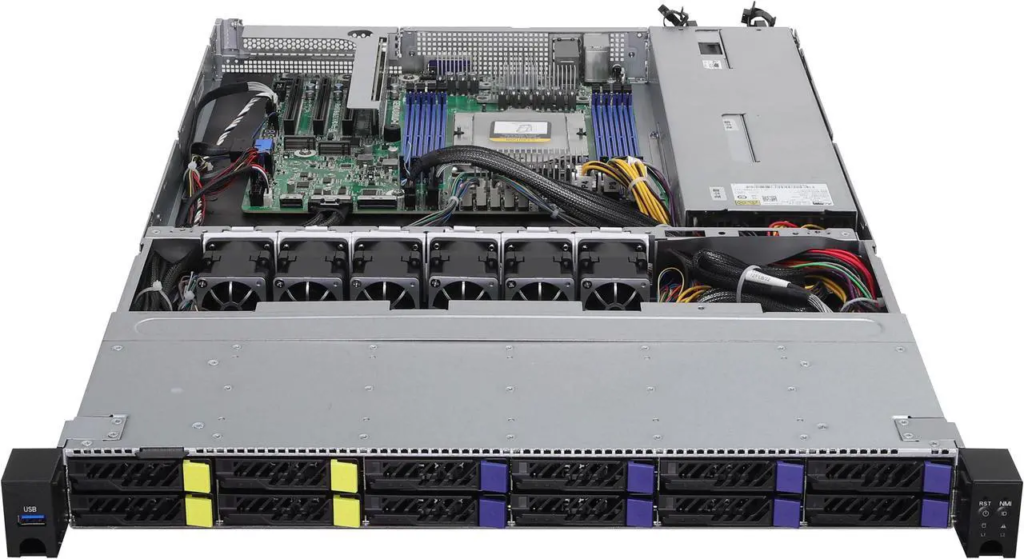
Ensuring compatibility with the intended chassis, whether 1U, 2U, or larger, is essential for proper deployment. Selecting the right form factor ensures efficient use of space and simplifies integration into data center environments.
7. Power Efficiency and Cooling
Power consumption and thermal management are critical factors in server performance and reliability. High-performance components generate significant heat, which must be managed effectively.
ASRock servers are designed to support efficient power delivery and cooling solutions. Proper airflow and power management help maintain stable performance and reduce the risk of overheating or system failures.
8. Scalability and Future-Proofing
Technology evolves quickly, and server infrastructure must be able to adapt. Choosing a system that supports future upgrades ensures long-term usability.
Features such as additional PCIe slots, expandable memory, and support for newer processor generations provide flexibility. Scalable systems allow businesses to grow without replacing their entire infrastructure.
9. Networking Capabilities
High-speed networking is essential for modern workloads, especially in virtualized and distributed environments. Servers must support reliable and fast data transfer to maintain performance.
Advanced networking options enable efficient communication between systems and improve overall workflow efficiency. This is particularly important for data-intensive applications and cloud-based operations.
10. Vendor Support and Ecosystem
Support and ecosystem compatibility play a key role in long-term server performance. Access to firmware updates, technical support, and compatible components ensures smooth operation.
Choosing a server with reliable vendor support reduces downtime and ensures that issues can be resolved quickly. This contributes to maintaining consistent performance over time.
Making Smarter Server Choices for Long-Term Efficiency
Selecting the right ASRock server requires a clear understanding of workload demands, hardware capabilities, and future growth needs. When these factors are carefully evaluated, businesses can build infrastructure that delivers stable performance and long-term reliability.
Large providers such as Dell Technologies and HPE offer extensive server portfolios, but their solutions often focus on standardized configurations rather than workload-specific optimization. This can limit flexibility for organizations with unique requirements.
Cloud Ninjas takes a more focused approach by aligning server configurations with real-world workloads. This ensures better performance, improved scalability, and more efficient resource utilization compared to generalized solutions, helping organizations achieve reliable and cost-effective operations.
