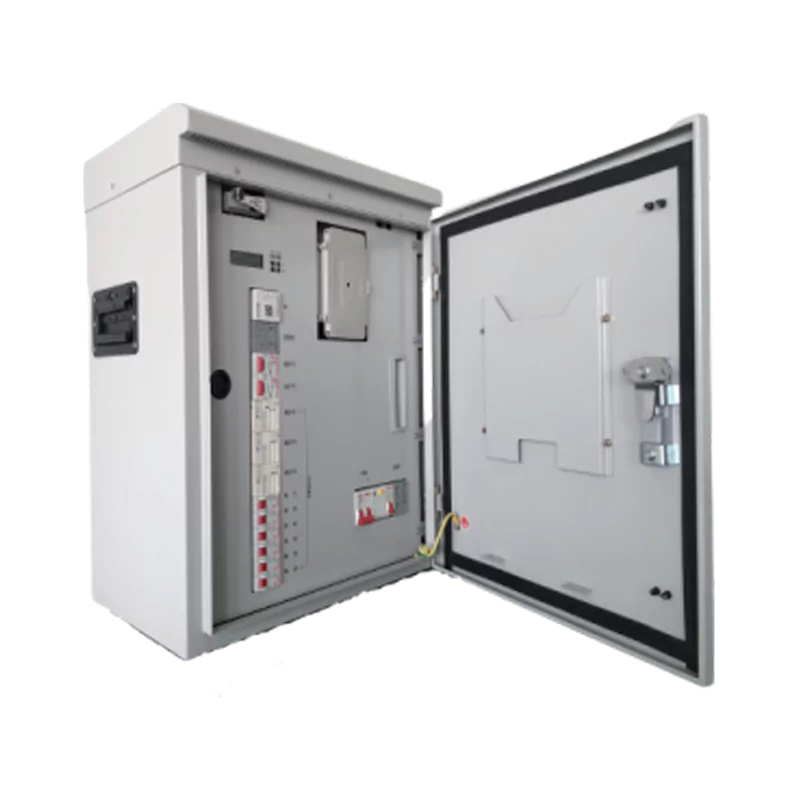
The Reality of Outdoor Power Infrastructure.
In many parts of the world, critical infrastructure does not operate inside climate controlled buildings. Telecom towers stand in open fields. Base stations operate in deserts, coastal zones, and industrial outskirts. Renewable energy systems function under direct sunlight, heavy rainfall, and fluctuating temperatures.
Yet one component remains highly sensitive to environmental stress the battery system.
Heat reduces battery life. Moisture increases corrosion risk. Dust impacts electronics. Sudden temperature shifts damage performance stability. For this reason, companies are no longer treating battery housing as a simple metal box. They are investing in engineered solutions such as the insulated battery enclosure and the Floor standing Base Station Battery Cabinet.
These systems are designed not only to store power but to protect the very heart of energy infrastructure.
Why Standard Battery Cabinets Are No Longer Enough.
Traditional battery cabinets were built for basic containment. They provided structural support but lacked advanced environmental control. In mild indoor settings, this might be sufficient. However, outdoor and telecom deployments demand far more.
Modern power systems require:
- Thermal insulation
- Moisture protection
- Dust resistance
- Corrosion prevention
- Structural stability
- Intelligent ventilation
Without proper insulation and environmental control, batteries degrade faster. Performance becomes inconsistent. Maintenance costs increase.
This is where the insulated battery enclosure becomes essential.
Understanding the Role of an Insulated Battery Enclosure.
An insulated battery enclosure is engineered specifically to regulate internal temperature and shield batteries from harsh external conditions. Unlike conventional steel cabinets, these enclosures integrate thermal insulation layers, controlled airflow systems, and weather resistant sealing.
Key functional advantages include:
Temperature Regulation
Extreme heat can significantly shorten battery lifespan. Insulated panels reduce thermal transfer, helping maintain optimal internal conditions even during hot summers.
Condensation Prevention
In humid environments, moisture buildup can cause electrical faults. Insulated systems minimize condensation risks.
Improved Energy Efficiency
Stable internal temperatures reduce the workload on cooling systems, lowering energy consumption.
Extended Battery Life
By preventing temperature spikes and environmental stress, insulation directly increases battery longevity.
For telecom operators and renewable energy providers, this translates into fewer replacements and lower operational costs.
The Strategic Importance of a Floor Standing Base Station Battery Cabinet.
Telecommunication infrastructure continues to expand rapidly. 5G rollouts, rural connectivity projects, and smart city developments all rely heavily on distributed base stations.
A Floor standing Base Station Battery Cabinet is specifically designed for these demanding outdoor applications.
Unlike wall mounted or compact indoor units, floor standing systems offer:
- Higher battery capacity
- Stronger structural stability
- Enhanced load bearing performance
- Modular expansion options
- Outdoor grade protection ratings
These cabinets are commonly installed at telecom tower sites where space planning, durability, and easy maintenance access are critical.
Because they stand independently, floor mounted systems allow better cable routing, easier servicing, and improved airflow management.
Engineering Features That Make the Difference.
Modern battery cabinets are not simply storage boxes they are engineered power protection systems.
Here are some of the advanced features that define high quality solutions:
Multi Layer Insulation Design
High performance materials reduce heat penetration while maintaining structural strength.
IP Rated Weather Protection
Protection levels guard against dust, rain, and water splashes, making them suitable for outdoor use.
Integrated Cooling or Ventilation
Smart airflow systems prevent overheating without compromising insulation efficiency.
Corrosion Resistant Coatings
Powder coated steel and anti rust treatments extend service life in coastal or industrial environments.
Secure Locking Mechanisms
Enhanced physical security protects critical infrastructure from tampering.
When these features are combined within a Floor standing Base Station Battery Cabinet, the result is a durable, long term power storage solution.
Applications Across Critical Sectors.
Although telecom base stations are primary users, insulated battery systems serve multiple industries.
Telecom Networks
Continuous uptime is non negotiable. Backup battery systems ensure uninterrupted signal transmission during grid failures.
Renewable Energy Projects
Solar farms and hybrid systems require stable storage. An insulated battery enclosure protects lithium batteries from environmental exposure.
Transportation Infrastructure
Railway signaling and highway monitoring systems rely on protected energy storage units.
Industrial Automation
Remote industrial facilities use floor standing battery cabinets to maintain production stability.
Across all sectors, the focus remains the same: reliability under pressure.
Cost Efficiency Through Protection.
Investing in high quality battery housing may seem like an added expense at first. However, the long term financial benefits are substantial.
Reduced maintenance visits
Longer battery replacement cycles
Lower downtime losses
Improved equipment reliability
When batteries operate within controlled conditions, they perform closer to their designed lifecycle. This reduces total cost of ownership significantly.
In contrast, poorly protected systems may require premature battery replacements a far more expensive outcome.
Designing for Scalability and Future Expansion.
Modern infrastructure is expanding rapidly. Base stations are upgrading capacity. Renewable installations are scaling output. Industrial systems are becoming more energy intensive.
A properly engineered Floor standing Base Station Battery Cabinet supports modular expansion. Additional battery modules can be added without replacing the entire cabinet system.
This flexibility ensures:
- Easier system upgrades
- Reduced installation complexity
- Better investment protection
As energy demands grow, scalable cabinet solutions grow alongside them.
Environmental Responsibility and Sustainable Infrastructure.
Sustainability is no longer a secondary consideration. Governments and corporations are increasingly focused on reducing carbon emissions and promoting clean energy adoption.
Using a thermally optimized insulated battery enclosure improves overall energy efficiency. Reduced cooling requirements mean lower electricity consumption. Longer battery life reduces material waste.
For companies aiming to meet environmental targets, protective battery housing plays a surprisingly important role.
Looking Ahead: Smarter Outdoor Energy Protection.
The next phase of battery cabinet innovation is already underway. Industry trends suggest increasing integration of:
- IoT based temperature monitoring
- Remote diagnostics
- Smart airflow control
- Advanced fire suppression systems
- Improved insulation materials
As infrastructure becomes smarter, battery protection systems must evolve accordingly.
Future ready designs will combine structural durability, environmental insulation, and digital intelligence into a single integrated platform.
Conclusion.
Reliable outdoor power infrastructure requires more than high capacity batteries. It demands engineered protection systems capable of withstanding environmental stress while maintaining performance stability.
An insulated battery enclosure ensures thermal control and environmental shielding, directly extending battery lifespan and operational reliability.
Meanwhile, a Floor standing Base Station Battery Cabinet provides scalable, structurally stable storage tailored for telecom and outdoor applications.
For organizations building resilient energy networks, investing in advanced battery enclosure solutions is not merely an upgrade it is a strategic step toward long term performance, cost efficiency, and infrastructure security.